
Where a tenner actually gets you in
 Available in US
Depositing ten pounds into a sportsbook in Great Britain is not the difficult part. Most GB-licensed bookmakers on the public register take less. What the £10 minimum really does is sort brands by what happens around the deposit — the verification that runs before it, the methods that even reach the cashier, the wagering and time limits attached to any bonus that comes with it, and the speed at which the winnings come back to a card or a bank account. The cheap entry is the marketing line; the cost lives in everything that follows.
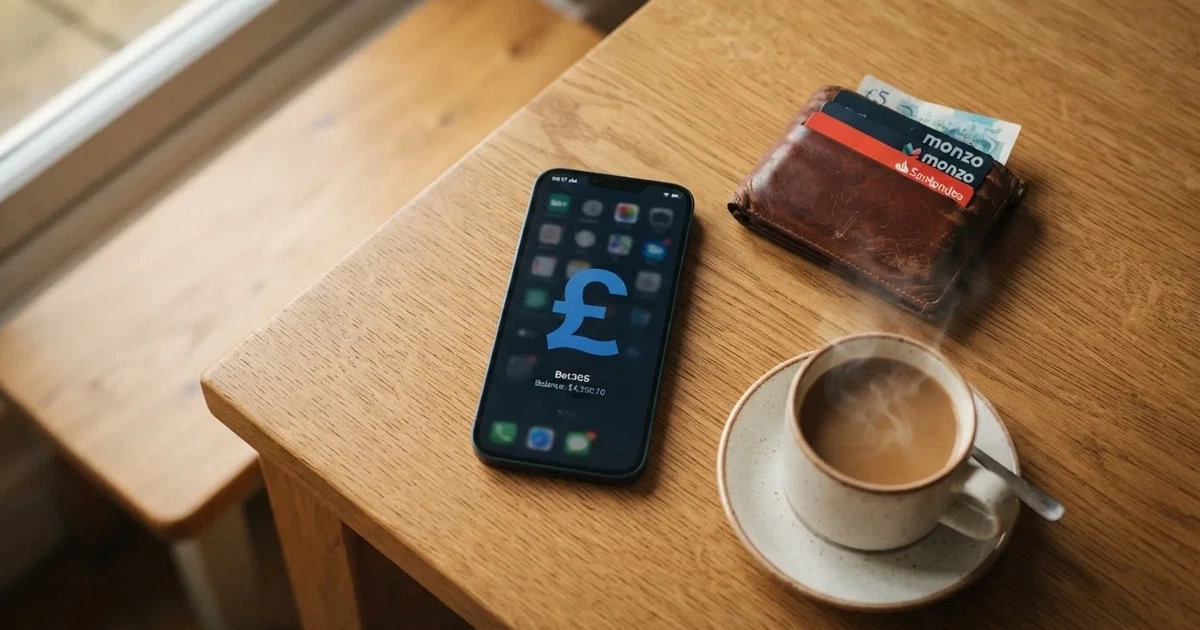
This page is built around the licensed UK market. Every operator named below appears on the Gambling Commission’s public register against a remote general betting standard (real events) licence, with one exchange sitting in the separate betting intermediary category. Ten brands make up the shortlist. The ranking and the rest of the order are editorial; the licence is a register fact, the comparison is judgement, and the budget the reader is weighing is theirs.
Data current as of 27 October 2026 and verified against the Gambling Commission’s public register, operator terms pages and the Apple App Store listings named inline.
Safer gambling and the controls that already apply
The safer-gambling story for £10 deposit betting sites is not a section about self-control. It is a section about what the Gambling Commission, GAMSTOP and each operator’s own tools already do, on a budget, before the reader has to think about willpower.

GAMSTOP is the national multi-operator self-exclusion scheme, mandatory for every GB-licensed online operator since 31 March 2020. Excluding yourself through it cuts off every licensed site and app in one step. The minimum period is six months; the available lengths are six months, one year, five years, or five years with auto-renewal, and after the minimum the exclusion stays in place for a further seven years unless the customer asks GAMSTOP to remove it. The scheme covers online and app products. The high-street betting shops use a separate service, so an online self-exclusion does not stop a walk-in bet. On a £10 budget that distinction is academic for most readers, but the retail side of the market exists, and a complete exclusion needs both.
A second check sits between the deposit and the bet. Since 7 May 2019, every GB-licensed bookmaker verifies the customer’s name, address and date of birth before the first deposit. That includes accounts opened with a free bet or a no-deposit bonus: there is no anonymous play at a licensed site, however small the entry price. A second, newer check runs at higher spend. Under LCCP condition 3.4.4, in force from 30 August 2024, a financial vulnerability check applies once a customer’s deposits minus withdrawals cross £150 in a rolling 30 days (the threshold has applied since 28 February 2025). The check looks at public records — bankruptcy registers, county court judgments — not income and not a credit file. It is not the “affordability check” the press has been writing about, but it is the same family of measure, and a small-stake bettor who drifts past the threshold will meet it. A heavier set of “financial risk assessments” has been announced in a staged plan from the Commission, with no start date, and the page will not call that one “in force”.
Deposit limits are a separate lever, and the way the rule reads they are the customer’s lever rather than a state-set ceiling. Operators must offer a gross deposit limit on a fixed time frame under RTS 12. The first phase of changes has applied since 31 October 2025; a second phase was postponed to 30 September 2026. What is established is that the choice sits with the bettor, and the operator’s tools include a deposit cap, time-outs, self-exclusion and product restrictions at the named-book level. Star Sports’ app puts deposit limits, a Play Break facility and self-exclusion inside My Account. Unibet lists deposit limits, a Player Profile test, product restrictions and self-exclusion on its UK site, with live chat support and links to BeGambleAware, GamCare, GAMSTOP, Gambling Therapy and the BGC. Midnite’s safer-gambling links run to GambleAware, GamCare, GamStop and BetBlocker. Betmaster offers deposit and session limits, time-outs and self-exclusion, with links to the same four. Fitzwilliam Sports lists timeouts and deposit limits alongside GambleAware, GamStop and Gamblers Anonymous.
Help, when limits are not enough, runs through GamCare’s National Gambling Helpline, GambleAware, the NHS gambling clinics network and Gamblers Anonymous. None of these is a substitute for the operator’s tools; they sit alongside them.
The whole block is one rule: a small deposit does not exempt the bettor from any of the controls above, and a control that is not used costs nothing until it is needed. On a £10 entry, the deposit limit is the lever most worth setting, the GAMSTOP registration is the lever that exists for the day it is needed, and the financial vulnerability check is the threshold a small-stake bettor will only meet if the hobby has run further than the budget allowed.
Bonuses, free bets and the arithmetic behind the headline
Most offers marketed at a £10 deposit are described as “free” and read as a gain. Read the terms and the gain is a smaller number than the headline, because every welcome offer on the shortlist attaches a wagering requirement, a minimum price, an expiry, or some combination of the three. The arithmetic below is what the offer really costs the reader who clears it.

A bonus is money the operator adds to the deposit, almost always with a wagering multiple attached. A free bet is a token: a stake the operator gives the customer to play with, and on most brands the stake is not paid back with a win. A “risk-free” bet is a free bet by another name: the first settled bet loses, the stake comes back as a free bet token, and the same token rules apply. A price boost is a one-off enhancement to the odds of a named selection. Acca insurance refunds the stake of a losing accumulator as a free bet if exactly one leg lets the bet down. Cashback returns a share of net losses over a period as cash or as a free bet. Each of these is a different shape of value, and the headline word — “free”, “guaranteed”, “risk-free” — is rarely the shape on the page underneath.
The offers on the shortlist, in their operators’ own words, read as follows. Unibet’s sports welcome offer is “Get £40 in Free Bets when you bet £20”: a deposit and sports bet of £20 or more at minimum odds of 2.0 (1/1), with free bets expiring within 7 days of issue, for new GB customers using a debit card or instant bank transfer. Sky Bet’s welcome offer for new customers is £30 in free bets, credited as three £10 free bet tokens after a deposit of at least £5 and a first single or each-way bet of at least 5p at odds of 1/1 or greater. Betboro’s sports welcome offer is a 100% matched free bet of up to £25 on the first qualifying wager, requiring a debit card deposit of at least £10 and a first bet of £5 to £25 with at least three selections each at 3/5 (1.60) or higher. Hollywoodbets’ sports welcome offer: new players who deposit £10 or more by card get their stake back as a free bet of up to £30 on their first qualifying losing accumulator (stake £10+, 3+ legs, odds of 4/1 or greater, settled within 7 days); one free bet per customer. Matchbook’s new-customer offer is 110 days of commission-free betting from registration for customers who register through its listing and make a deposit; standard commission applies afterwards.
Two of the four welcome bonuses attached to a £10 deposit are paid as free bet tokens, not as cash. The cost of a free bet token, in real money, is the stake that is not returned with a win. Sky Bet’s three £10 tokens return the winnings only, not the £10; Unibet’s £40 returns the winnings only; Hollywoodbets’ £30 stake-back returns the winnings only on a token issued to replace a losing stake. A free bet worth £10 at decimal odds of 3.00 returns £20 of profit on a win, not £30. Three such tokens, at a typical accumulator price of around 6.00, are worth something like £50 of profit on three wins, against a headline of £30, and the headline is therefore not a number the reader should compare to a £30 deposit.
The rules in force since 19 January 2026 cap wagering requirements on bonuses at 10x. A £10 bonus at 50x wagering would have required £500 of qualifying bets; under the cap, no more than £100 of qualifying bets is needed to clear it. The cap does not yet appear in the welcome offers on the shortlist, which are free bet tokens rather than cash bonuses with a wagering condition. The same rule set bans mixed-product promotions — an offer that requires gambling on two or more product types (betting, casino, bingo, lottery) together. None of the four welcome offers above is a mixed-product promotion, so the ban is a floor under the market rather than a constraint on these specific terms.
The marketing word worth puncturing is the headline “free”. Free, on this market, is free bet token, qualifying bet, minimum odds, expiry and one-per-customer — a bundle. The reader’s cost is the time it takes to place the qualifying bet, the chance that the qualifying bet loses before the token is issued, and the chance that the token is not used inside its seven-day window. None of those is hidden, all of them are in the terms, and the page does the reader a favour by saying them out loud.
A point that recurs in the small print is the qualifying bet itself. A £20 qualifying bet at minimum odds of 1/1 (2.0 decimal) is a bet the customer must place and settle to unlock the free bets, win or lose, and on Unibet it must be paid by debit card or instant bank transfer. The reader is paying the stake to qualify, then placing a second bet with the free bet token. On Sky Bet, the qualifying bet is 5p at odds of 1/1 or greater — a much smaller hurdle, but the three £10 tokens still carry the same shape of value. Hollywoodbets refunds the first losing accumulator as a free bet; the qualifying bet, here, is the bet the customer has to lose to unlock the offer, which reverses the sign of the incentive: a win and the welcome offer does not pay out.
The combination of these terms is what a £10 minimum deposit really costs. It is not a £10 stake to a betting market. It is a deposit, a qualifying bet, a token, an expiry and a bookmaker’s margin, paid in time and attention rather than in pounds, and the page returns to it on the operator write-ups because the cost varies from one house to the next.
Payments, the cashier and how money comes back
The cashier is the part of a betting site that looks simplest and is least simple. A £10 deposit opens the same way on every GB-licensed bookmaker: the customer chooses a method, enters an amount, confirms, and waits for the funds to clear. The differences sit in which methods reach the cashier, what the operator charges for them, and how fast the winnings come back.
Three rules of the road apply to every brand on the shortlist. Credit cards have been banned for gambling in Great Britain since 14 April 2020, under LCCP condition 6.1.2. The ban covers credit-card-funded payments through an e-wallet, so loading Skrill or Neteller from a credit card does not work either. Debit cards and bank-based payments are not caught by the ban. Sky Bet’s deposit help page states the position in plain terms: by law betting companies can no longer accept credit cards as a method of deposit. The second rule is that identity is verified before the first deposit, so the cashier will not open until the customer’s name, address and date of birth have been checked. There is no anonymous play at a licensed site. The third rule is that the operator sets its own minimum deposit, and may change it. Sky Bet’s terms state that the minimum deposit for all payment methods is £5, and that the operator may change this minimum without prior notice, acting reasonably. William Hill’s help pages put the minimum at £5 for both deposits and withdrawals by debit card, with no fee on debit card transactions.
What the cashier actually shows, by method, is a house decision. Sky Bet accepts debit cards, Apple Pay, Pay by Bank and Revolut Pay (GBP) for deposits, and allows up to three debit cards to be linked to a single account, a limit that does not apply to Apple Pay. QuinnBet accepts debit cards, Apple Pay and OpenBanking, plus Revolut cards, and does not accept Skrill or Neteller deposits. Midnite accepts Visa, Mastercard, Apple Pay, Google Pay and Trustly. Betmaster accepts Visa, Mastercard, Maestro and V PAY. bet365 accounts can be funded by debit card, PayPal and Apple Pay, with Face ID login available on supported devices. William Hill’s deposit and withdrawal range runs by debit card from £5 to £99,000 per deposit and up to £33,000 per withdrawal. Apple Pay, Google Pay and Pay by Bank do not appear on every cashier; where they do, the minimum deposit is often lower than on a card, and Sky Bet’s help page states that Pay by Bank has no minimum deposit amount at all, while other methods will return an error below the operator’s stated minimum.
The cashier is therefore described qualitatively, and only from each operator’s own terms.
The other half of the cashier is withdrawals. Most GB-licensed bookmakers pay back to the same method the customer deposited with, and most debit card withdrawals reach the account inside a working day once the withdrawal is approved, faster for some e-wallets and slower for bank transfers. The internal approval step is where the speed lives. The customer requests a withdrawal, the operator runs its checks, the funds are released, and the bank or card scheme posts them. Fitzwilliam Sports advertises instant deposits and fast withdrawals without putting a clock on the second half; Spreadex, which is regulated by the FCA for spread betting and by the Gambling Commission for fixed-odds betting, warns that spread betting losses can exceed the deposit — a sharp edge a fixed-odds punter does not face on a £10 budget but a useful reminder that two different product types carry two different licences.
The cost of a deposit, on the methods the shortlist accepts, is zero in the visible sense: no fee, no commission, no percentage on the way in. The cost of a deposit in the arithmetic sense is the operator’s margin sitting inside the odds. The cost of a withdrawal is the time between the request and the bank credit, which a £10 budget has less room to absorb than a £1,000 one. The cost the page returns to, again and again, is the wagering and the time — and on a £10 budget the time matters more than the percentage.
The £10 deposit shortlist and how the ten compare
The ten operators below all hold a Gambling Commission remote licence for general betting on real events, with one exchange sitting in the separate betting intermediary category. The list is not a ranking: the order is editorial, the licence numbers and licence holders are register facts, and the welcome offer and payment terms are each operator’s own. Where a column is left blank, the operator’s terms do not state the figure in a way this page can carry; the table below is honest about the gaps.
| Brand | Licence holder and account | What the operator’s own terms say on the £10 deposit market |
|---|---|---|
| Unibet | Platinum Gaming Limited, account 45322 | “Get £40 in Free Bets when you bet £20” — deposit and sports bet £20+ at min odds 2.0 (1/1), free bets expire in 7 days, new GB customers, debit card or instant bank transfer |
| Star Sports | Star Racing Limited, account 9177 | Safer-gambling tools (deposit limits, Play Break, self-exclusion) in My Account; UK and Ireland app |
| QuinnBet | QuinnBet (Gibraltar) Limited, account 61011 | Debit cards, Apple Pay, OpenBanking and Revolut cards accepted; Skrill and Neteller not accepted |
| Betboro | Webmedia Development N.V., account 44181 | 100% matched free bet up to £25 on first wager; debit card deposit £10+, first bet £5 to £25, 3+ selections each at 3/5 (1.60) or higher |
| Fafabet | Taichi Tech Limited, account 57385 | Best Odds Guaranteed on UK and Irish horse racing win and each-way bets from 9am on race days — bigger SP replaces the original price |
| Sky Bet | SBG Sports Limited, account 67370 | £30 in free bets (3×£10 tokens) after £5 deposit and a first single or each-way bet of at least 5p at odds 1/1 or greater; debit cards, Apple Pay, Pay by Bank, Revolut Pay accepted; up to 3 debit cards per account |
| BoyleSports | Boylesports Enterprise, account 39469 | Early payouts on selected sports: football 2-up, basketball 20-up, rugby and NFL 16-up, boxing after a knockdown |
| Lottoland | EU Lotto Limited, account 38991 | A £79 million EuroJackpot win listed as the largest online gambling payout in history |
| Matchbook | Triplebet Limited, account 39504 | 110 days of commission-free betting from registration for new customers who register and deposit; standard commission applies afterwards |
| Hollywoodbets | Hollywoodbets International UK Limited, account 53028 | Stake returned as a free bet of up to £30 on the first qualifying losing accumulator (stake £10+, 3+ legs, 4/1 or greater, settled within 7 days); one free bet per customer |
Two of the four welcome offers attached to a £10 deposit are paid as free bet tokens, and two are paid as stake-returned free bets on a losing accumulator. None of the four is a cash bonus with a 10x wagering requirement under the January 2026 cap, because none of them is a cash bonus at all. The honest reading is that the headline number and the realised value are not the same number, and the reader who picks the offer that pays the highest headline is not picking the offer that pays the most on average. The most expensive word on the page is “free”, and it appears on every one of the four offers above.
The second column of the table is register-factual: each licence holder and account number is the Commission’s public record. The third column is the operator’s own terms, transcribed. The gaps the table does not fill — a withdrawal time, a maximum payout on a sport, the exact cost of a payment method — are gaps in the operators’ published terms, not omissions on the page, and the operator write-ups below the table fill what the table cannot.
How the £10 deposit market fits the wider GB-licensed picture
A £10 deposit is a small stake, but the bookmakers that take one are not a sub-market. They are the same GB-licensed operators that take £500, £5,000 and £50,000 deposits, with the same safer-gambling controls and the same KYC checks at the door. The £10 minimum is a marketing floor, not a separate product. The brand that offers a £5 debit card minimum is the same brand that verifies identity before the first deposit, sits inside GAMSTOP, and answers to the Gambling Commission for its marketing, its bonuses and its financial-promotion code. The cost of that wrapper, to a bettor, is the time and attention the controls cost. The benefit is the same wrapper in reverse: the funds sit inside a regulated bookmaker, the dispute route runs through approved alternative dispute resolution, the self-exclusion register covers every licensed site in one step, and the operator’s books are open to a regulator that can fine, suspend or revoke.
The wider market has more than ten brands. The Commission’s public register lists every operator licensed for remote general betting on real events in Great Britain, and the shortlist on this page is a curated ten. A reader who wants the whole set has the register; a reader who wants a shortlist has the table above. The shortlist mixes a £5 minimum (Sky Bet, William Hill) with brands whose published minimum is £10 (Betboro, Hollywoodbets), an exchange (Matchbook), a brand that runs spread betting on the FCA side as well (Spreadex, named here for context but not in the table) and a sportsbook that lists itself primarily as a lottery operator (Lottoland). The mix is the point: a £10 minimum is the floor for some and the ceiling for others, and the floor is rarely the deciding factor.
What unifies the shortlist is the licence. The “real events” general betting standard covers football, horse racing, tennis, golf, cricket, rugby, basketball, boxing, motorsport and the rest of the conventional sportsbook menu; in-play is offered under the same licence with the controls sitting in the operator’s own LCCP code and customer-protection duties. Esports sits in the same category. Virtual events are a separate licence category, and pool betting on horse and dog racing is a separate licence still. The reader who bets on sports is in the “real events” category, and every brand in the shortlist above is licensed for it. The reader who wants pool betting, virtual events, betting exchange, or spread betting is in a different category, and the shortlist is a sportsbook list, not a category list.
The “what is a £10 deposit site” question, then, is a question about a floor. The reader who wants a floor can have one on most of the brands above. The reader who wants the best odds, the deepest market, the fastest withdrawal, the lightest wagering requirement, or the broadest safer-gambling toolkit is asking a different question, and the answer to it lives in the operator write-ups below.
The legal and regulatory frame around a £10 deposit
A £10 deposit in Great Britain is a regulated transaction. The bookmaker on the other end of the deposit has to hold a Gambling Commission licence wherever it is based, the customer has to be 18 or over, and the money has to move through a payment method the law does not block. The frame is the same for every brand on the shortlist, and the reader’s defence in a dispute runs through it.
The regulator is the Gambling Commission (UKGC), a non-departmental public body sponsored by the Department for Culture, Media and Sport. It licenses the whole commercial market under the Gambling Act 2005, which covers Great Britain — England, Scotland and Wales. Northern Ireland is outside the Act and runs on its own older law, so the page writes “Great Britain licence” or “GB-licensed” and never claims a GB licence regulates Northern Ireland. The Gambling (Licensing and Advertising) Act 2014 made the licence point-of-consumption: an operator whose remote facilities are used in Great Britain needs a Commission licence wherever the operator itself is based. A Curaçao, Maltese or Gibraltar licence is not a substitute. The Commission’s public register is the whole test of who holds a licence, and the register can be searched by business name, trading name, domain or account number. The licensed operator set uses .com as well as .co.uk, so the domain proves nothing. Several brands can run under one licensee — Ladbrokes and Coral under Entain, Paddy Power and Betfair under Flutter — and the brands are not independent operators for the purposes of this page.
Betting licences come in categories. The remote general betting standard (real events) licence covers the sportsbook menu and is the licence on every brand in the shortlist above. The remote general betting standard (virtual events) licence is separate. The remote pool betting licence covers off-course pool betting on horse or dog racing. The remote betting intermediary licence is the exchange licence, and Matchbook holds it in addition to the real-events licence. Financial spread betting is regulated by the Financial Conduct Authority, not the Commission; Spreadex, which holds an FCA licence for spread betting, is the example in this market and the page carries it for context only. The reader on a £10 fixed-odds budget does not meet the FCA side of a hybrid firm, but the firm exists, and the regulator on the sportsbook side of it is still the Commission.
What may be bet on is a market question, not a statute question. No statutory list of permitted bets or markets exists. An operator holds a licence for a category and offers markets under its own rules and the Licence Conditions and Codes of Practice. In-play betting is offered by GB bookmakers and the controls are the operator’s licence conditions and customer-protection duties; the page does not call in-play “unrestricted” as a legal conclusion. Esports is treated like any other event. Virtual events are a separate licence category. Bets on politics, TV shows and novelty markets are offered by GB bookmakers and no statutory prohibition was found. Betting exchanges run under a betting intermediary licence with rates and rules specific to each exchange. Spread betting that is not a financial product is inside General Betting Duty. No statutory cap on stakes in sports betting was found, and operators set their own maximum stakes and may restrict customers.
The age and identity rules have already been set out in the safer-gambling section. Minimum age 18, name, address and date of birth verified before the first deposit (since 7 May 2019), no anonymous play. The financial vulnerability check applies once deposits minus withdrawals cross £150 in a rolling 30 days. A heavier set of “financial risk assessments” has been announced, in a staged plan from the Commission dated 7 July 2026, with no start date; the page does not call it in force.
Payments are bounded by the credit-card ban in force since 14 April 2020. The ban covers credit cards and credit-card-funded e-wallet payments. Debit cards, bank-based payments and the wider e-wallet set are not caught. Identity verification before the first deposit means source-of-funds questions at higher spend are normal under the money-laundering rules, and they appear on a £10 budget only when the spending pattern triggers them.
Advertising and bonus rules sit on top of the licence. Advertising is not licensed by the Commission; it runs through the CAP Code (non-broadcast) and BCAP Code (broadcast), enforced by the ASA, alongside the LCCP marketing conditions. The CAP Code’s section 16 says marketing must be socially responsible, must not be of strong appeal to under-18s, and no one who is or seems to be under 25 may be featured gambling or play a significant role, with an exception for marketing placed where a bet can be made directly. That rule concerns who may appear in the advertisement, not who may bet. From 19 January 2026, wagering requirements on bonuses are capped at 10x and mixed-product promotions are banned. The “whistle-to-whistle” rule — no betting ads on TV from five minutes before a live sporting event to five minutes after it, before the 9pm watershed, with horse and greyhound racing excluded — is an industry code, not a law, in force since 1 August 2019. The Premier League clubs’ withdrawal of gambling sponsorship from the front of matchday shirts from 2026/27 is voluntary, not law. Operators are responsible for marketing by their affiliates.
Tax sits on the operator, not on the bettor. The player pays no tax on betting winnings in Great Britain. General Betting Duty is the operator’s tax on gross profits, currently 15%; from 1 April 2027 a new remote betting rate of 25% applies within it, while remote bets on UK horse racing, self-service betting terminal bets, pool betting and in-person betting stay at 15%. Until 1 April 2027 the remote rate stays at 15%; whether operators pass duty on through odds is not established, and the page does not write that the player is charged duty. Spread betting has its own rates (3% financial, 10% other). The Commission’s statutory levy is a separate charge, not a tax.
Offshore is the frame on the other side of the line. A GB licence is compulsory at the point of consumption. Providing gambling facilities in Great Britain without the licence the Act requires is an offence under section 33 of the Gambling Act 2005, on summary conviction up to 51 weeks’ imprisonment, a fine up to level 5, or both (six months in Scotland). The offence is aimed at the operator. The loss is loss of protection — no GAMSTOP coverage, no Commission complaints route, no approved dispute-resolution body, no British consumer redress if funds are withheld, not bound by the 10x bonus cap and not bound by the £150 vulnerability check. The honest framing is that licensed means checks, limits, GAMSTOP, bonus cap, and verification before the first bet, and unlicensed means none of those protections and possible loss of funds. Neither is “the safe choice” by default; the choice is between a regulated book with a thin entry point and an unregulated one with a slightly thinner one, and the page does not dress up the difference.
The whole block is the wrapper. The £10 deposit sits inside it, and the wrapper is what the reader is buying when they choose a GB-licensed brand over an offshore one with the same logo.
The £10 deposit operators, head to head
The ten write-ups below close the comparison. Each carries the licence, the offer in the operator’s own words, the deposit and withdrawal shape, the safer-gambling toolkit and a verdict that answers the question the block above it actually raised. The order is the same as the shortlist table.
Unibet — the £40 free bet that costs a £20 qualifier
Unibet’s UK site is run by Platinum Gaming Limited, Gibraltar, under Gambling Commission account 45322, and the brand states it has operated since 1999. The sports welcome offer is “Get £40 in Free Bets when you bet £20”: a deposit and a sports bet of £20 or more at minimum odds of 2.0 (1/1), with free bets expiring within 7 days of issue, for new GB customers using a debit card or instant bank transfer. The free bets are tokens, not cash, and the stake is not returned with a win; a £40 token at decimal odds of 3.00 returns £80 of profit on a win, not £120.
The safer-gambling toolkit includes deposit limits, a Player Profile test, product restrictions and self-exclusion, with live chat support and links to BeGambleAware, GamCare, GAMSTOP, Gambling Therapy and the BGC. The payment methods are not stated on the homepage in a way this page can transcribe; the welcome offer specifies a debit card or instant bank transfer for the qualifying flow, and the cashier holds the rest.
Verdict. The welcome headline is the largest on the shortlist, and the qualifier is the largest too. A reader who would place a £20 first bet at 1/1 anyway gets £40 of tokens as a by-product, and the seven-day expiry is the real cost. A reader who would only deposit £10 misses the offer entirely. The brand is licensed, the KYC is standard, and the seven-day clock is the one term worth reading.
Star Sports — the racing-leaning book with safer-gambling tools in-app
Star Sports is run by Star Racing Limited under Gambling Commission account 9177. The safer-gambling tools are in My Account: deposit limits, a Play Break facility and self-exclusion. The app is available in the UK and Ireland. The brand’s racing background is visible in the offer shape and the in-app layout, and the sportsbook sits alongside it.
The operator’s terms do not specify a welcome offer or minimum deposit for this page to quote, and the App Store listing lacks payment method details.
Verdict. The right reader is the racing-led punter who keeps deposit limits and a Play Break in their back pocket and does not need a welcome headline. The brand is licensed, the safer-gambling tools are inside the app, and the missing welcome number is a gap the terms page fills, not the homepage. The honest read for a £10 sportsbook budget is that Star Sports is a credible pick on the licence, and a reader who needs a sports welcome offer has better-stated alternatives on the shortlist.
QuinnBet — a narrow cashier and no Skrill or Neteller
QuinnBet is run by QuinnBet (Gibraltar) Limited under Gambling Commission account 61011. The cashier is narrower than most: debit cards, Apple Pay and OpenBanking, plus Revolut cards, and Skrill and Neteller deposits are not accepted. The narrowing is the brand’s choice, and it tells the reader which customers the cashier is built for — a debit-card or bank-app punter with a Revolut top-up rather than an e-wallet regular.
The operator’s site does not specify a welcome offer or minimum deposit, though its licence is a confirmed register fact.
Verdict. A reader whose deposit method is debit card, Apple Pay, OpenBanking or Revolut will find the cashier works. A reader who funds the account through Skrill or Neteller will not, and the help page is the place to read it. The brand is licensed and the cashier is honest about what it does not accept, which is rarer than the page expected.
Betboro — the 100% matched free bet with a £25 ceiling
Betboro is run by Webmedia Development N.V. under Gambling Commission account 44181. The sports welcome offer is a 100% matched free bet of up to £25 on the first qualifying wager, requiring a debit card deposit of at least £10 and a first bet of £5 to £25 with at least three selections each at 3/5 (1.60) or higher. The “100% matched” headline is paid as a free bet token, not cash, and the ceiling is £25; a £10 deposit produces a £10 token, a £25 deposit produces a £25 token, and a £100 deposit produces the same £25 token.
The minimum deposit is £10 by debit card, the qualifier is the first settled bet, and the three-selection rule is the bar. A £10 bet at 3/5 on each leg is a small wager at short prices, and an accumulator of three such legs pays a small return on a win.
Verdict. The £10 deposit is the entry point, the £25 ceiling is the cap, and the three-selection rule is the bar. A reader who would place a £10 treble at 1.60 anyway gets a £10 token as a by-product, and the token’s stake is not returned with a win. A reader who would only place single bets misses the offer. The brand is licensed and the ceiling is honest.
Fafabet — Best Odds Guaranteed on UK and Irish racing
Fafabet is run by Taichi Tech Limited under Gambling Commission account 57385. The standout product feature is Best Odds Guaranteed on UK and Irish horse racing win and each-way bets from 9am on race days: if the starting price is bigger than the original price, the bigger odds are paid. The BOG is a price-floor on a racing bet, and it is the one term on the brand that gives the punter something on a settled bet the bookmaker cannot take back.
Neither a welcome offer nor a minimum deposit figure appears in the operator’s terms, though the licence is a confirmed register fact.
Verdict. The right reader is the racing-led punter who takes the early price and the SP together. The BOG is real money in the punter’s pocket, the licence is register-clean, and the missing welcome number is a gap the terms page fills. A £10 sportsbook budget that has no interest in racing has better-stated alternatives on the shortlist.
Sky Bet — the £30 in three £10 tokens with a 5p qualifier
Sky Bet is run by SBG Sports Limited under Gambling Commission account 67370, and the operator is the one whose deposit shape this page quotes the most. The welcome offer for new customers is £30 in free bets, credited as three £10 free bet tokens after a deposit of at least £5 and a first single or each-way bet of at least 5p at odds of 1/1 or greater. The qualifier is 5p, which is a lower bar than any other welcome offer on the shortlist, and the three tokens carry the same shape of value as every other free bet — stake not returned with a win.
The deposit terms are stated in the help page and the general terms: minimum deposit £5 across all payment methods, may change without prior notice, reasonable. Debit cards, Apple Pay, Pay by Bank and Revolut Pay (GBP) are accepted, and up to three debit cards may be linked to a single account, a limit that does not apply to Apple Pay. Pay by Bank has no minimum deposit amount, while other methods return an error below the minimum. The credit-card ban is stated in plain terms: by law betting companies can no longer accept credit cards as a method of deposit.
Verdict. The 5p qualifier is the smallest on the shortlist, the £5 minimum is the lowest stated minimum, and the three-token structure is the cleanest. The free bets are tokens, not cash; the headline £30 is the headline, and the realised value on three winning tokens at a typical accumulator price is something like £50 of profit, not £90. The payment set is the broadest on the shortlist, the credit-card ban is stated up front, and the operator may change the £5 minimum without notice, which is a one-line caveat the reader should know about before the second deposit. Sky Bet is the brand this page quotes most because the deposit and withdrawal shape is the one most clearly written down.
BoyleSports — early payouts on selected sports
BoyleSports is run by Boylesports Enterprise under Gambling Commission account 39469. The product feature is early payouts on selected sports: football if a team goes 2 goals ahead, basketball at 20 points ahead, rugby and NFL at 16 points ahead, and boxing after a knockdown. An early payout settles the bet as a win before the final whistle, which is a margin call the operator makes on the customer, and it costs the operator the upside on a comeback.
Neither a welcome offer nor a minimum deposit figure appears in the operator’s terms, though the licence is a confirmed register fact.
Verdict. The early-payout feature is the one term that does work for the punter, and it is the reason to put BoyleSports on the shortlist. A reader who bets on Premier League accumulators at 1/1 will see the 2-up rule activate more often than the price suggests, and the licence is register-clean. The missing welcome number is a gap the terms page fills, and the £10 sportsbook budget is best served by reading it before the first deposit.
Lottoland — the lottery-led brand with a sportsbook attached
Lottoland is run by EU Lotto Limited under Gambling Commission account 38991. The App Store listing states a £79 million EuroJackpot win as the largest online gambling payout in history, and the brand’s primary product is the lottery bet, not the sportsbook. The Commission licence on the register is the remote general betting standard (real events), and the sportsbook is licensed to offer it.
The operator’s terms omit any welcome offer or minimum deposit figure, and the lottery product serves as the brand’s primary headline.
Verdict. Lottoland is on the shortlist because the licence is a register fact and the sportsbook is licensed, not because the brand is a sportsbook first. A reader who wants a sports welcome offer has better-stated alternatives on the shortlist; a reader who wants the lottery bet has a brand that does it under a GB licence, which is a more honest position than the lottery bets offered by brands without one. The £10 budget is best spent reading the sportsbook’s own terms.
Matchbook — the exchange on the shortlist
Matchbook is run by Triplebet Limited under Gambling Commission account 39504, and the licence categories on the register are remote general betting standard (real events) and remote betting intermediary — the exchange licence. The new-customer offer is 110 days of commission-free betting from registration for customers who register through its listing and make a deposit; standard commission applies afterwards. Commission is the exchange’s take, and 110 days without it is the headline; the exchange does not work the same way as a sportsbook, and the back/lay mechanic is the reason it does not.
The minimum deposit is not stated in a way this page can transcribe. The payment methods are not on the App Store listing in a form this page can carry.
Verdict. Matchbook is on the shortlist because the licence is two-category and the commission-free window is a real value, and it is on it with the caveat that the exchange mechanic is a different product from the sportsbook. A reader who has never used an exchange has the wrong product. A reader who has, and wants a 110-day commission-free window on a GB-licensed intermediary, has the right one.
Hollywoodbets — the stake-back on a losing accumulator
Hollywoodbets is run by Hollywoodbets International UK Limited under Gambling Commission account 53028. The sports welcome offer is the one on the shortlist that pays a stake-back as a free bet on a losing accumulator: new players who deposit £10 or more by card get their stake back as a free bet of up to £30 on their first qualifying losing accumulator (stake £10+, 3+ legs, odds of 4/1 or greater, settled within 7 days); one free bet per customer. A £10 deposit produces a £10 token, a £30 stake produces a £30 token, and a £50 stake produces the same £30 token.
The qualifier is the first settled accumulator, and the offer pays on a loss, not a win. The free bet is a token, not cash, and the stake is not returned with a win. The seven-day settlement window is the only operational term that bites.
Verdict. The offer is the most counter-intuitive on the shortlist. A reader who wins the first accumulator does not get the welcome; a reader who loses it gets a token up to the value of the stake, capped at £30. The brand is licensed, the cap is honest, and the offer rewards a loss rather than a win, which is the opposite of a normal sportsbook welcome. A reader who would place a £10 treble at 4/1 anyway has a tail of free-bet cover; a reader who only places single bets misses the offer.
The arithmetic behind the £10 deposit
A £10 deposit is too small for the headline calculations that matter on a £500 one, but the arithmetic that matters on a £10 deposit is the arithmetic of the bonus, because the bonus is the only place a £10 budget meets a number with a zero in front of it. The page’s prescribed calculation type is none — there is no single worked example to run across the ten brands — and the figure-by-figure read sits inside the offer terms above.
The shape is the same on every offer. The customer deposits £10 (or more, up to the offer ceiling). The customer places a qualifying bet at the minimum price the offer states. The customer receives a free bet token (or, on Matchbook, a commission-free window; on Hollywoodbets, a token issued on a losing accumulator). The free bet token is used inside its expiry window. The token returns winnings, not stake. The realised value of the token depends on the price the customer takes.
The realised value of a £10 free bet at decimal odds of 3.00 is £20 of profit. The realised value of a £10 free bet at 6.00 is £50 of profit. The realised value of a £10 free bet at 10.00 is £90 of profit. The realised value of a £10 free bet on a bet that loses is £0. The arithmetic does not lie, and the offer’s “free” word does not. The realised value is somewhere between £0 and the upside of the price taken, and the customer who picks the highest-priced selection the offer allows is the customer who realises the most.
The minimum price on every offer is the floor the customer must clear to use the token. Unibet’s free bets are issued on a qualifying bet at 2.0 (1/1), and the token’s terms do not state a minimum price for the bet placed with the token. Sky Bet’s three tokens carry the same shape, and the terms do not state a minimum price on the token’s bet. Betboro’s first wager is at 3/5 (1.60) or higher per leg, and the token’s terms do not state a minimum price. Hollywoodbets’ first accumulator is at 4/1 or greater, and the token’s terms do not state a minimum price. The customer who takes a short price on the token’s bet wastes most of the upside; the customer who takes a long price uses it.
The deposit’s real cost is the time. A seven-day window is a working week, and a working week is short when the bettor has not picked a market. A reader who treats the offer as a side product of a bet they would place anyway is the reader who clears the offer; a reader who places a bet they would not have placed to chase the offer is the reader who pays for it.
Reading the cashier before the first deposit
The reader’s last step is the one that happens on the operator’s own page, not on this one. Five checks are worth running before the £10 leaves the account.
The first check is the licence. The Commission’s public register can be searched by business name, trading name, domain or account number. Every brand in the shortlist is on the register, and a search of the register by the brand’s domain is the test of the licence the brand claims. The register is the whole test; the brand’s homepage is a marketing claim, the register is the legal fact.
The second check is the payment method. The cashier shows the methods the operator accepts, and the operator’s help page usually states the methods the cashier does not accept. QuinnBet’s help page states Skrill and Neteller are not accepted; the cashier will not say so until the customer reaches the deposit screen. The credit-card ban means the credit card is not on the cashier, and a credit-card-funded e-wallet deposit will not work either. Pay by Bank, Apple Pay, Google Pay, debit card, OpenBanking and Revolut are the methods most likely to be on the shortlist’s cashiers; the operator’s deposit help page is the place to confirm.
The third check is the minimum deposit. Sky Bet’s terms state £5, may change. William Hill’s help pages state £5 for debit card deposits and withdrawals. Betboro’s offer requires a debit card deposit of at least £10, and Hollywoodbets’ offer requires the same. The other brands in the shortlist do not state the minimum in a form this page can transcribe, and the operator’s own page is the place to read it. The £10 deposit is a market floor, not a uniform entry point.
The fourth check is the welcome offer. The terms state the qualifying bet, the minimum price, the expiry, the cap and the one-per-customer rule. The terms also state the payment method the qualifying flow accepts; Unibet’s offer is debit card or instant bank transfer only. The reader who reads the offer before the deposit reads the cost before the cost is paid.
The fifth check is the safer-gambling toolkit. Star Sports’ deposit limits, Play Break and self-exclusion sit in My Account. Unibet’s deposit limits, Player Profile test, product restrictions and self-exclusion sit on the UK site. The toolkit is part of the product, and a £10 budget that has set its limit before the first deposit is a budget that has used the regulator’s wrapper.
The five checks are not an audit. They are the cashier’s user manual, and the user manual is the part of the product the marketing does not put on the homepage.
Frequently asked questions about £10 deposit betting sites
Is it possible to deposit £10 with a betting site in Great Britain?
Yes, on most GB-licensed bookmakers. The Commission’s public register lists the brands licensed to take remote bets, and several of them set a £5 or £10 minimum on debit card deposits. Sky Bet’s terms state a £5 minimum across all payment methods, William Hill’s help pages put the same minimum on debit cards, Betboro’s welcome offer names a £10 debit card minimum, and Hollywoodbets’ welcome offer does the same. The cashier is the place to read the minimum that applies to the method the customer is using; Pay by Bank has no minimum on Sky Bet, while other methods return an error below the stated minimum.
Which betting apps accept less than £10?
Apps from GB-licensed brands that publish a sub-£10 minimum. Sky Bet’s terms state £5, William Hill’s help pages state the same on debit cards, and Pay by Bank on Sky Bet has no minimum at all. The minimum is set by the operator, not the regulator, and the app’s deposit help page is the place to read it. A reader who wants to deposit £5 or £10 has the brands above; a reader who wants to deposit £1 has a much shorter list and a longer set of terms to read.
Which payment methods do GB-licensed bookmakers accept, and are credit cards allowed?
Debit cards, bank-based payments (Pay by Bank, OpenBanking, Trustly), Apple Pay, Google Pay and selected e-wallets (PayPal, Revolut Pay, Skrill, Neteller on some brands) are common. Credit cards are not allowed: the Gambling Commission banned them for gambling in Great Britain on 14 April 2020 under LCCP condition 6.1.2, and the ban covers credit-card-funded e-wallet deposits. Sky Bet’s deposit help page states the position in plain terms. The exact list sits on the operator’s own cashier, and a brand that does not accept a method says so on its help page rather than on the deposit screen.
From what age can bets be placed in Great Britain, and when is identity verified?
Betting is an 18-plus activity in Great Britain, and the customer’s name, address and date of birth are verified before the first deposit under a rule in force since 7 May 2019. The verification covers accounts opened with a free bet or a no-deposit bonus, so there is no anonymous play at a licensed site. A second check, the financial vulnerability check under LCCP condition 3.4.4, applies once a customer’s deposits minus withdrawals cross £150 in a rolling 30 days (the threshold has applied since 28 February 2025). The check looks at public records, not income, and is not a credit file check.
How can a reader check that a bookmaker holds a Gambling Commission licence?
The Commission’s public register can be searched by business name, trading name, domain or account number, and is the whole test of who holds a licence. The account number is the brand’s number on the register, and the register shows the licence holder (which can be a parent company rather than the brand), the licence categories and the licence status. The shortlist above carries the licence holder and the account number for each brand; a search of the register by either is the test. The register is updated by the Commission and is the only test the page relies on; the brand’s homepage is a marketing claim, and the register is the legal fact.
What does a player lose by betting on a site without a Gambling Commission licence?
GAMSTOP coverage, the Commission’s complaints route, an approved alternative dispute-resolution body, British consumer redress if funds are withheld, the 10x bonus cap, the £150 vulnerability check and the operator’s licence conditions on marketing and customer protection. The Commission’s enforcement against unlicensed sites runs through cease-and-desist notices, search-engine referrals, work with registrars, hosts and payment providers, and court-order DNS blocking powers that have been granted or are about to be granted; ISP blocking is not described as in operation. No offence is aimed at a customer who merely bets on an unlicensed site. The honest framing is that the loss is the loss of the GB-licensed wrapper, not the loss of a right to play.
Payments & apps – Fast Payout
Content created by the «Fast Payout» team
