
Best odds guaranteed sites 2026: how the offer works and what it pays
 Available in US
Best odds guaranteed — BOG to regulars — is the single concession on UK and Irish racing that nearly every major bookmaker runs, and the only one whose headline word (“guaranteed”) is taken seriously by the trade itself. If a punter takes a fixed price on a horse and the starting price turns out larger, the bookmaker tops the payout up to SP. No bonus code, no wagering, no free-bet token: the difference lands in cash on the winning return. That is the whole of the promise. Everything else — the rule on Rule 4 deductions, the £50,000 ceiling, the horse-versus-track distinction, the punters who actually gain from it — is detail, and most of it is what costs the reader the bet they thought they were placing.
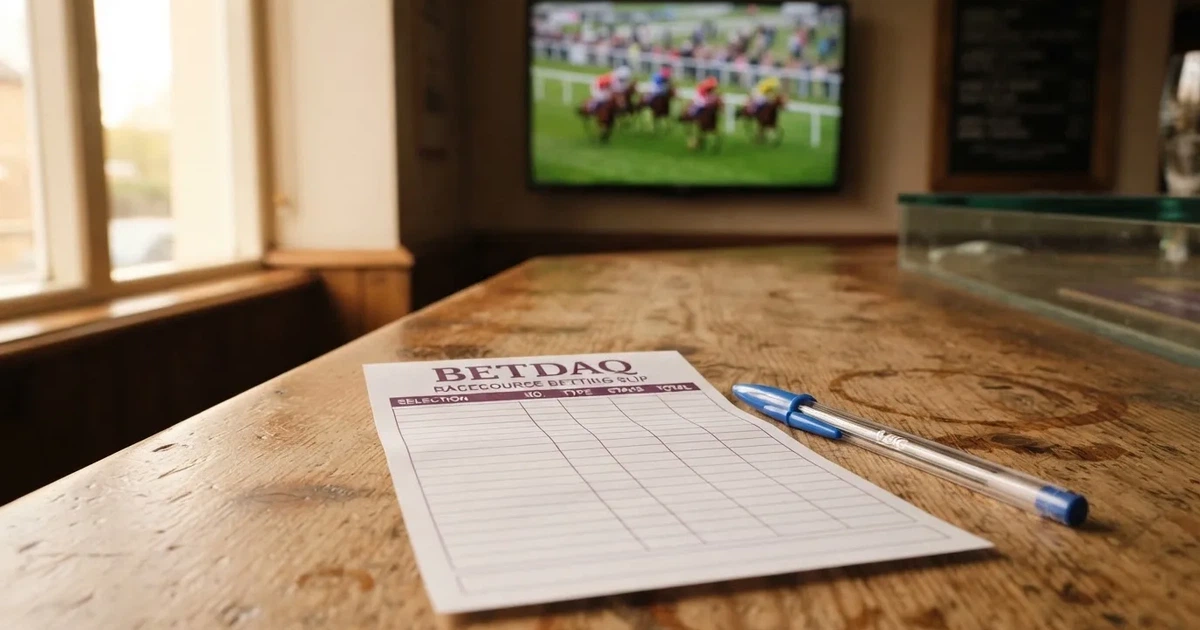
This guide takes that detail seriously. It lists the ten Gambling Commission-licensed bookmakers whose terms the public register and their own sites actually carry, walks through what BOG pays, what it does not, and the cost of taking it on a market where the bookmaker keeps a margin whatever the headline says. The guide is current as of 27 October 2026 and the licence details were checked against the Gambling Commission’s public register. £ in this guide is pound sterling unless otherwise stated, and odds appear in fractional form (5/1) with the decimal (6.00) in brackets.
Staying in control while chasing the SP
Best odds guaranteed is a horse-racing offer that pays out extra cash on a winning bet, and an offer that pays out extra cash is the one place where a punter can chase a small edge without noticing. The mechanism is simple and the discipline it asks for is not. Take a price early because the market is fast, watch the SP drift while the race is loading, and the offer is the difference between the two — paid in real money, with no rollover. The temptation is to bet more often, on shorter prices, on more races, because “guaranteed” reads like an edge. It is not. The bookmaker’s margin sits inside every price; the offer only settles a winning bet at the larger of two numbers, and most bets lose whatever the offer says.
That is why the responsible-gambling frame sits first in this guide, before the offer is. A licensed bookmaker is the only place a UK punter gets the four protections the law now provides: identity verification before the first deposit, GAMSTOP self-exclusion, the £150 financial-vulnerability check on a 30-day rolling window, and the 10x cap on bonus wagering. The offer being chased still has to fit inside the punter’s own limits, and the limits below sit on top of the offer, not under it.
What the controls in force actually do
The identity check that opens every UK-licensed account runs against name, address and date of birth, and it is the reason there is no anonymous play on a licensed site. GAMSTOP is the national self-exclusion scheme every GB-licensed online operator joins, and its periods are six months, one year, five years, or five years with auto-renewal; after the minimum term the exclusion continues for a further seven years unless the punter asks GAMSTOP to lift it. The financial-vulnerability check (LCCP condition 3.4.4, in force since 30 August 2024 and now triggered once deposits minus withdrawals cross £150 over 30 rolling days) is a public-record check, not a credit check — bankruptcy or county court judgments are the sort of entry that surfaces. It is not the “affordability check” the press still calls it; the wider financial risk assessments are announced in stages, with no start date, and an offer like BOG sits outside that staging entirely.

The deposit-limit rules under RTS 12 are the second layer. The first changes have applied since 31 October 2025 and a second phase was postponed to 30 September 2026; whether that second phase is live now is not settled, and the guide writes about it as the regulator’s staged plan rather than as a fixed rule. Every punter sets a deposit ceiling on their own account by choice; there is no state-set ceiling for betting. Credit cards are banned for gambling in Great Britain since 14 April 2020, including credit-card-funded e-wallet top-ups, so the working payment methods on a BOG-eligible account are debit cards, bank transfer and the usual e-wallets funded from a debit card or bank account.
Help, when the offer stops being entertainment, runs through GamCare (the National Gambling Helpline), GambleAware, the NHS gambling clinics and Gamblers Anonymous. GAMSTOP itself is the self-exclusion switch, not a counselling line; it works on the licensed side of the market and on the licensed side only.
What chasing BOG looks like from the punter’s side
The mechanism that makes BOG worth chasing is the same one that makes it worth chasing badly. Punters who back every favourite in every race, lay the field later, double up after a loss, take a price purely because the offer is on — these are the patterns the responsible-gambling framework is built around. The £150 vulnerability check is triggered by behaviour, not by intent, and a run of small bets on a busy Saturday will cross it faster than a single large bet on the Championship. That is the cost of taking the offer at the volume the schedule shows. A punter who keeps BOG in its place — backing the horses they would have backed anyway, with the stake they would have staked anyway — gets the upside of the offer and does not change the rest of the account.
What best odds guaranteed actually is, and what it costs
“Best odds guaranteed” is a one-line concession: if the punter takes a price on a horse and the SP turns out larger, the winning bet is paid at SP instead of the price taken. No token, no rollover, no expiry — the difference is added to the cash return on the bet. The offer sits on top of every other bookmaker rule: Rule 4 deductions, non-runner rules, each-way terms, ante-post conditions. The offer does not sit outside them. That is the part the marketing copy skips.
The mechanism, walked through once
The starting price is the price on a horse in the on-course fixed-odds market at the moment the race begins; it settles every bet on the race where no fixed price was taken. For British horse racing the SP is the median of sampled bookmakers’ prices — the shortest price in the longer-priced half of the sample, so at least half of the sample offered that price or longer. A punter who takes a price of 5/1 (6.00) on a horse whose SP returns at 6/1 (7.00) gets paid at SP. A punter who takes 6/1 (7.00) and the SP returns at 5/1 (6.00) is paid at the price taken: the offer goes one way only. That is the cost the marketing word “guaranteed” quietly carries — the guarantee is for the higher number, never for the lower one.
The return on a single win bet at the price paid out is straightforward: return = stake × decimal odds. A £10 stake at 6/1 (7.00) returns £70; a £10 stake at 5/1 (6.00) returns £60. The same stake at SP when SP is larger carries the same formula with the larger number plugged in. Each-way bets double the stake and split it between a win leg and a place leg; the BOG uplift on an each-way bet applies to the win leg only, in the way each operator’s terms state it, and the place leg settles at its place odds.
What Rule 4 does to the offer
Rule 4 is a bookmaker rule for the case where a horse is withdrawn from a race after the fixed-odds market has formed. The deduction comes off the gross return on every winning bet, in pence in the pound, scaled by the withdrawn horse’s price. It applies to the price taken, and at Sky Bet, the deduction remains unless the SP is larger, when the bet settles at SP instead. The Rule 4 deduction is a separate concession from BOG, and the two interact at the operator’s discretion. A punter who backs a horse at 5/1 (6.00), sees a non-runner priced at 25/1 (26.00) withdrawn, and watches the horse return at SP 6/1 (7.00) collects at SP with no deduction. The same horse, settled under BOG at the price taken rather than at SP, would carry the deduction. The offer does not zero out the rule. The rule is the rule.
The caps that matter
A bookmaker running BOG on UK and Irish racing sets a ceiling on the uplift the offer can pay out. At Sky Bet that cap is £50,000 per bet or per race — whichever the punter hits first. The cap is not the punter’s maximum stake: a punter can still place a £100,000 bet at any price the operator will accept, but the BOG uplift on that bet tops out at £50,000 above the return at the price taken. For a punter staking tenner and fiver lines on handicaps the cap is academic; for a punter staking four-figure bets on Group 1 favourites the cap is the number that decides whether the offer is worth the bet.
The cap is set by the bookmaker, and the ten caps in a category — best odds guaranteed, accumulator insurance, acca boosts — line up the way every bookmaker’s limits do: tight on racing, looser on football, almost non-existent on novelty markets. The licence is the same across the set; the caps are the operator’s own.
What the offer is worth to a punter who takes it
A punter who takes a price that the SP beats gets the SP return in cash, and the value of the offer is the expected uplift on the bets that win. The arithmetic is the same shape as any free-bet value calculation, with one difference: the uplift is paid in cash, the stake is paid back with the win, and the only condition is that the bet wins. For a £10 bet at 5/1 (6.00) that returns at SP 6/1 (7.00), the uplift is £10 — the stake times the odds gap. On a bet that loses, the offer pays zero. The average over many bets is the bet-by-bet chance the SP exceeds the price taken, multiplied by the expected gap when it does. Operators run the offer because the answer to that calculation is small. Punters take it because it is paid in cash and never carries a rollover.
How to read the BOG landscape at licensed UK bookmakers
Every brand in this guide holds a remote operating licence from the Gambling Commission under the Gambling Act 2005 and serves customers in Great Britain under that licence. The public register is the whole test of who holds one, and every figure in the table below was checked against that register. The order is the regulator’s, not the operators’ — alphabetical on the Commission’s account number, which is the only ordering the register itself carries.
The list is not a ranking. Every bookmaker in it offers best odds guaranteed, and every bookmaker in it runs a margin inside its prices; the offer is the same concession, and the differences that matter — the cap on the uplift, the racing covered, the Rule 4 behaviour, the terms written for each promotion — sit in each operator’s own conditions. A punter comparing them is comparing the conditions, not the brand.
The full comparison, by operator
| Brand | Gambling Commission account | Licence holder | BOG terms on the operator’s site |
|---|---|---|---|
| Betfair | 39439 | PPB Counterparty Services Limited | BOG available on UK and Irish racing; sportsbook terms state the offer applies to fixed-price bets settled at SP where the SP is larger, with the operator’s own Rule 4 and non-runner rules carried over |
| BetVictor | 39576 | BV Gaming Limited | BOG on UK and Irish horse racing; site terms confirm the offer, alongside enhanced live race streaming and a BetFinder feature for racing bets |
| BoyleSports | 39469 | Boylesports Enterprise | BOG on UK and Irish racing; accumulator insurance terms sit alongside it (opt-in, minimum stake £5, minimum odds 1/2, maximum free-bet refund £20, settled same day, expires in 7 days) |
| Coral | 54743 | LC International Limited | BOG available on UK and Irish racing; sportsbook terms carry the offer alongside in-play markets, bet builder and the operator’s welcome-offer conditions for new GB customers |
| Matchbook | 39504 | Triplebet Limited | Exchange model with BOG-style pricing published on the exchange’s own markets; site terms describe the offer alongside the back-and-lay mechanic, multiples and live streaming of horse racing and greyhounds |
| Midnite | 101839 | Midnite Limited | BOG on UK and Irish racing; sportsbook terms carry the offer alongside in-play events, acca builder and the operator’s welcome-offer conditions |
| Sky Bet | 67370 | SBG Sports Limited | BOG on UK and Irish racing; terms confirm the cap on the uplift at £50,000 per bet or per race and the Rule 4 behaviour where the horse returns at a bigger SP (paid at SP with no deduction) |
| Smarkets | 39173 | Smarkets (Malta) Limited | Exchange model with commission-based pricing (2% standard commission, with new-customer windows at 0% for 60 days on first deposits of £10 or more) and BOG-style pricing on its own markets |
| VBet | 44662 | SCGO Limited | Sportsbook with BOG on UK and Irish racing; site terms describe the offer alongside pre-match and in-play betting, live streaming and a live calendar of events |
| Fitzdares | 400 | Fitzdares Limited | BOG on UK and Irish racing; site terms carry the offer alongside cash out, accumulators, Lucky 15s, ante-post markets on horse racing, football, tennis, rugby, cricket, golf and American football, with in-play live odds |
The column on BOG terms is what each operator’s own site and terms page state on the subject at the snapshot date. A brand that does not publish its BOG terms on the page consulted does not appear with a confirmed row; this guide works from what is published, not from what is implied.
The licences behind the brands
Every account number above is the Gambling Commission’s own account reference, and every licence holder is the company named on the register against that account. Several brands run under one licensee — Paddy Power and Betfair both sit under PPB Counterparty Services Limited; Ladbrokes and Coral both sit under LC International Limited — and the table names the licence holder, not the brand, to keep the licence trail readable. Where a brand’s app is published by a different company from the licence holder, that fact is in the operator’s app store listing and does not change who the Commission licenses.
The bookmakers on offer, by what they actually publish
The clearest split on this list is between sportsbooks and exchanges. The eight sportsbooks — Betfair Sportsbook, BetVictor, BoyleSports, Coral, Midnite, Sky Bet, VBet and Fitzdares — publish BOG as a one-line concession against their fixed-price racing markets, with operator-set caps on the uplift. The two exchanges — Matchbook and Smarkets — publish commission rates on the bets they intermediate (2% at Smarkets on eligible exchange bets, with new-customer windows at 0% for 60 days on a first deposit of £10 or more), and the BOG-style price is what the back-and-lay market produces on the race. The offer is not absent on an exchange; it is the structure of the market instead of a concession layered on top.
What the table cannot show
The column on BOG terms carries what each operator publishes on the page consulted at the snapshot date. It does not carry:
- the offer on greyhound racing or on ante-post markets, which several operators run under different conditions and which the table does not attempt to summarise;
- the welcome offer or the free-bet token, which a separate guide covers and which is a different offer with a different cost;
- the credit-card ban, the £150 vulnerability check, the GAMSTOP membership, the verification-before-deposit rule, and every other protection the licence imposes, all of which apply to the whole set equally.
A punter reading the table sees the BOG terms. A punter who plans to use a brand reads the licence trail, the operator’s full terms, and the responsible-gambling section of the operator’s site before staking.
What the licensed UK market actually looks like in 2026
The bookmaker the punter bets with in Great Britain is the bookmaker licensed by the Gambling Commission. The Commission is the regulator under the Gambling Act 2005, sponsored by the Department for Culture, Media and Sport; it licenses the whole commercial market and the only test of who is licensed is the Commission’s public register. The register is searchable by business name, trading name, domain or account number, and it is the whole test of whether a brand holds a licence. Every brand in the table above is on it; every brand that is not on it is not in this guide.
What the licence covers
A bookmaker serving customers in Great Britain needs a Commission licence wherever it is based, since the Gambling (Licensing and Advertising) Act 2014 amended the 2005 Act. The relevant sections are 33 and 36 of the Gambling Act 2005 as amended: providing gambling facilities in Great Britain without the licence the Act requires is an offence, and the offence is aimed at the operator, not the punter who bets on an unlicensed site. A Curaçao, Maltese or Gibraltar licence is not a substitute for a Commission licence when the bettor is in Great Britain. The bookmaker’s licence type sits inside one of the remote categories on the register: remote general betting standard (real events), remote general betting standard (virtual events), remote general betting limited, remote pool betting, or remote betting intermediary. Betting exchanges run under the betting-intermediary licence.
The minimum age to bet with a licensed bookmaker is 18. Identity is verified against name, address and date of birth before the customer can deposit or gamble, and the verification has covered free bets and bonus claims since 7 May 2019. There is no anonymous play on a licensed site, and source-of-funds questions at higher spend are normal under the money-laundering rules. The Commission’s LCCP sets the conditions every licensee runs under, and the conditions change in stages; the present stage of the financial-vulnerability check is £150 over 30 rolling days, and the present stage of the bonus wagering cap is 10x with no mixed-product promotions.
What may be bet on, and what may not
There is no statutory list of permitted markets. An operator holds a licence for a category and offers markets under its own rules and the LCCP; in-play betting is offered by GB bookmakers and the controls are the operator’s licence conditions and customer-protection duties. Esports are treated like any other event; virtual events are a separate licence category; bets on politics, TV shows and novelty markets are offered by GB bookmakers and no statutory prohibition was found. Betting exchanges run under a betting-intermediary licence; rates and rules specific to exchanges are stated from each exchange’s terms.
No statutory cap on stakes in sports betting was found. Operators set their own maximum stakes and may restrict customers. The cap on the BOG uplift — £50,000 at Sky Bet, with every other operator setting its own — is the operator’s cap, not the regulator’s. The punter’s cap is the punter’s own deposit limit.
What the marketing rules do to the offer
The marketing rules around best odds guaranteed run on the ASA’s CAP Code (non-broadcast) and BCAP Code (broadcast), alongside the LCCP marketing conditions. CAP Code section 16 sets the social-responsibility frame and the rule on under-25s in advertising; the rule concerns who may appear in the advertisement, not who may bet. The promotion rules in force since 19 January 2026 cap wagering requirements on bonuses at 10x and ban mixed-product promotions. BOG is not a bonus; it is a concession on a winning bet, settled in cash, with no wagering requirement. The cap does not reach it.
The “whistle-to-whistle” rule (no TV betting ads from five minutes before a live sporting event to five minutes after, before the 9pm watershed, with horse and greyhound racing excluded) is an industry code, not law, and dates to 1 August 2019. The Premier League clubs’ voluntary withdrawal of gambling sponsorship from the front of matchday shirts from 2026/27 is voluntary, not law; sleeves and hoardings remain. None of this changes the BOG offer. The offer runs on the bookmaker’s site and the bookmaker’s app, under the licence the bookmaker holds, and the marketing rules constrain the marketing, not the offer.
What the tax side does to the price
The player pays no tax on betting winnings in Great Britain. General Betting Duty is the operator’s tax on gross profits, currently 15%; from 1 April 2027 a new remote betting rate of 25% applies within it, while remote bets on UK horse racing, bets on self-service betting terminals in licensed premises, pool betting and in-person betting stay at 15%, per the November 2025 policy paper. Whether operators pass duty on through odds is not established, and the player is not charged duty on the bet. Financial spread betting is regulated by the Financial Conduct Authority, not the Commission, and the spread-betting losses can exceed the deposit at Spreadex — a separate regime with its own risks and its own rules.
The Commission’s levy is a separate charge, not a tax. The duty is the duty; the levy is the levy. The two do not interact on the bettor’s return.
What an unlicensed site costs the bettor
A bookmaker that is not on the Commission’s register offers none of the protections above. There is no GAMSTOP coverage, no Commission complaints route, no approved dispute-resolution body, no British consumer redress if funds are withheld, and no binding under the 10x bonus cap or the £150 vulnerability check. Enforcement against unlicensed operators is disruption rather than blocking: cease-and-desist notices, search-engine referrals, work with registrars, hosts and payment providers, with court-order DNS blocking powers either given or about to be given. None of that brings the funds back once they are stuck. The framing the regulator itself uses is the one to use here: licensed equals checks, limits, GAMSTOP, the bonus cap, but also verification before the first bet; unlicensed equals none of those protections and possible loss of funds. Neither side is “the safe choice” by default. The licensed side is the one with a route back if something goes wrong.
How a bookmaker’s margin sits inside every price
A bookmaker’s margin — the overround — is the share of every pound staked on a market that the bookmaker keeps, on average, across all outcomes. It is built into every price the bookmaker offers, and the offer does not remove it. Best odds guaranteed moves the payout up to SP when SP is larger; it does not move the price below the bookmaker’s margin. A punter chasing BOG is still paying the margin on every bet, and a live example is the cleanest way to see it.
A two-way market at decimal odds 1.90 / 1.90 (fractional 9/10 on each side) gives a payout share of 1 ÷ (1/1.90 + 1/1.90) = 1 ÷ (0.5263 + 0.5263) = 1 ÷ 1.0526, or roughly 95.0% of every pound staked returned to punters across both outcomes. The margin is 1 − 0.950 = 0.050, or 5.0%. A market at 1.80 / 1.80 (4/5 on each side) gives a payout share of 1 ÷ (0.5556 + 0.5556) = 1 ÷ 1.1111, or roughly 90.0%, with a margin of 10.0%. A market at 1.95 / 1.95 (19/20 on each side) gives a payout share of roughly 97.5%, with a margin of 2.5%. The band 2.5%-10.0% covers the range a UK bookmaker typically runs on a tight two-way market; the SP market on a British horse race runs closer to the lower end, the in-play market on a tight football match runs higher, and the difference is the bookmaker’s edge. BOG does not change the spread. The offer settles the winner at the larger number; the margin is paid on the loser whichever way the offer goes.
A punter who places a £10 single at 5/1 (6.00) on a horse whose SP returns at 6/1 (7.00) collects £70 at SP, with a profit of £60 on a £10 stake. The same £10 on the favourite at 2/1 (3.00) collects £30, with a profit of £20, and the BOG uplift is the difference between the price taken and SP when SP is larger. On a 16-runner handicap at 12/1 (13.00) the SP drift is more common, and the offer is paid more often; on a four-runner Grade 1 at odds-on the offer is paid rarely, and the bet is settled at the price taken most of the time. The offer rewards a style of betting the bookmaker can price, not a style of betting the bookmaker cannot. That is the cost of chasing the SP.
The operators, in their own terms
Every brand below is a Gambling Commission licensee, every licence number is from the Commission’s public register, and every BOG term is what the operator’s site and terms page publish on the subject at the snapshot date. The order is the register’s order on the account number; the order is not a ranking, and the brands are described, not endorsed.
Betfair
Betfair runs a sportsbook and an exchange under PPB Counterparty Services Limited, Gambling Commission account 39439, under a remote general betting licence. The sportsbook publishes in-play markets, a Bet Builder, free live streaming of UK and Irish horse racing and football inside the app, and a 90 Minute Payout market on football. BOG is available on UK and Irish racing under the sportsbook’s terms, settled at SP where SP is larger, with the operator’s non-runner and Rule 4 rules carried over. The exchange sits under the same licence for the betting-intermediary category. Which path to take depends on the specific race and the operator’s terms.
BetVictor
BetVictor runs under BV Gaming Limited, Gambling Commission account 39576, under a remote general betting licence. The site publishes Best Odds Guaranteed on UK and Irish horse racing, enhanced live race streaming, a BetFinder feature for racing bets, and Smart Stats. The BOG offer is the headline concession; the live streaming and BetFinder are the supporting tools, and the three run under the same licence. A punter who wants BOG and live streaming on the same operator gets both here. The licensing and the offer are linked.
BoyleSports
BoyleSports runs under Boylesports Enterprise, Gambling Commission account 39469, under a remote general betting licence. The site publishes BOG on UK and Irish racing alongside its accumulator insurance: opt-in, minimum stake £5, minimum odds 1/2, maximum free-bet refund £20, bets placed and settled on the same day, free bet expires in 7 days. The two offers sit under one licence and one set of terms, and the punter reading them reads them together — BOG on the racing bet, acca insurance on the football acca, the rules separate.
Coral
Coral runs under LC International Limited, Gambling Commission account 54743, under a remote general betting licence. The site publishes BOG on UK and Irish racing, a sports welcome offer of £40 in free bets on a £20 qualifying bet at minimum odds 2.0 (1/1) for new GB customers who opt in (free bets expire 7 days after issue), in-play markets, and a bet builder. The BOG offer runs on the racing side; the welcome offer runs on the sports side; the two are different offers under the same licence. A punter who wants BOG and the welcome offer on the same brand uses Coral for both, checking the terms for the sequence of claims.
Fitzdares
Fitzdares runs under Fitzdares Limited, Gambling Commission account 400, under a remote general betting licence. The app publishes BOG on UK and Irish racing alongside cash out, accumulators, Lucky 15s, specials, ante-post markets on horse racing, football, tennis, rugby, cricket, golf and American football, and in-play live odds. The brand positions itself as a premium racing bookmaker; the BOG offer is part of that positioning, not a stand-alone concession. A punter who wants the ante-post book and the BOG offer on the same licence finds both here.
Matchbook
Matchbook runs under Triplebet Limited, Gambling Commission account 39504, on the register for remote general betting standard (real events) and remote betting intermediary. Matchbook is a betting exchange where customers back and lay against each other, with Bet Builder, multiples, in-play betting and live streaming of horse racing and greyhounds. The exchange model is the price; the commission is the cost (the operator’s published rate, on eligible bets, with operator-set windows for new customers). A backer who wants BOG-style pricing on an exchange finds it in the market’s own back-and-lay structure.
Midnite
Midnite runs under Midnite Limited, Gambling Commission account 101839, under a remote general betting licence. The site cites the licence on its home page, publishes BOG on UK and Irish racing, in-play events, an acca builder, popular accas and price boosts with maximum-stake limits. The sports welcome offer is £25 in free bets and 50 free spins for new customers who bet £5 or more on pre-match odds of 2.0 or greater within 14 days of sign-up (free bets and spins valid for 7 days). The BOG offer sits on the racing book; the welcome offer sits on the sportsbook; the two are different offers under the same licence. A punter who wants both uses Midnite for both, in the order the terms set.
Sky Bet
Sky Bet runs under SBG Sports Limited, Gambling Commission account 67370, on the register for remote general betting standard (real events). The site publishes Best Odds Guaranteed on UK and Irish racing, with two terms the table cannot show without becoming a quotation: the cap on the BOG uplift at £50,000 per bet or per race, and the Sky Bet Rule 4 behaviour where the bet settles at SP if the SP is larger. The welcome offer is £30 in free bets, credited as three £10 free bet tokens after a deposit of at least £5 and a first single or each-way bet of at least 5p at odds of 1/1 or greater. A punter who wants the headline BOG terms written into the operator’s own page finds them at the Sky Bet support page rather than at the home page; the home page points to the support page and the support page carries the cap and the Rule 4 behaviour.
Smarkets
Smarkets runs under Smarkets (Malta) Limited, Gambling Commission account 39173, on the register for remote betting intermediary. The exchange publishes a standard commission of 2% on eligible exchange bets, with new-customer windows at 0% for 60 days on a first deposit of £10 or more. The exchange model is the price; the commission is the cost; the BOG-style offer is what the back-and-lay market produces on a race. A punter who wants exchange pricing on the race finds the offer in the market’s own back-and-lay structure.
VBet
VBet runs under SCGO Limited, Gambling Commission account 44662, on the register for remote general betting standard (real events). The app publishes Bet Builder, pre-match and in-play betting, live streaming and a live calendar with results and stats, alongside BOG on UK and Irish racing. The BOG offer runs on the racing book; the live calendar runs alongside it.
What the licence costs the operator — and what it costs the punter
The licence is the same across the set: a Gambling Commission remote operating licence, identity verification before the first deposit, GAMSTOP membership, the £150 financial-vulnerability check on a 30-day rolling window, the 10x cap on bonus wagering, and the credit-card ban. The set is the regulator’s, and every brand in it runs under every condition the regulator sets. The differences that matter — the cap on the BOG uplift, the Rule 4 behaviour, the racing covered, the welcome offer’s qualifying bet and minimum odds, the exchange’s commission rate — sit in each operator’s own conditions.
A punter who values the published BOG terms reads the Sky Bet support page. A punter who values the exchange model reads the Smarkets or Matchbook terms. A punter who values the racing book and the live streaming reads the BetVictor or Fitzdares terms. A punter who values the welcome offer reads the Coral or Midnite terms. Each operator sits inside one regulator’s licence, and the punter’s choice is among conditions, not licences.
The responsible-gambling frame, in one place
The responsible-gambling frame is the one piece of this guide that applies to the whole set, and the one piece a punter should know before claiming the offer. It runs on the bookmaker’s side — verification before the first deposit, GAMSTOP membership, the £150 vulnerability check, the bonus-wagering cap, the credit-card ban — and on the punter’s side — deposit limits on the punter’s own account, the offer used in its place, and the help lines that exist when the offer stops being entertainment.
GAMSTOP is the multi-operator self-exclusion scheme, mandatory for every GB-licensed online operator since 31 March 2020; the periods are six months, one year, five years, or five years with auto-renewal, and the exclusion continues for a further seven years after the minimum term unless the punter asks GAMSTOP to lift it. GAMSTOP covers online sites and apps; betting shops use a different service. The financial-vulnerability check is a public-record check (bankruptcy, county court judgments), not an income check and not a credit reference check, and it is triggered once deposits minus withdrawals exceed £150 over 30 rolling days. The deposit-limit rules under RTS 12 are in staged implementation; the first changes have applied since 31 October 2025 and a second phase was postponed to 30 September 2026. The punter’s deposit ceiling is the punter’s own choice on the bookmaker’s account.
Help, when it is needed, runs through GamCare (the National Gambling Helpline), GambleAware, the NHS gambling clinics and Gamblers Anonymous. The offer being chased is not the help line; the help line is on the bookmaker’s safer-gambling page and on the regulator’s site. A punter who keeps the offer in its place gets the upside of the BOG concession and the protection of the licence; a punter who does not gets neither.
The choices a punter can make on a BOG bet
The choice on a BOG-eligible bet is the choice the punter would have made anyway, and the offer sits on top of it. Take the price early, take the price at the off, or skip the race: the punter’s choice. The bookmaker’s choice is whether the offer is on the race at all, and whether the cap applies to the bet. The combination is the bet. A punter backing a 16-runner handicap at 12/1 (13.00) with £20 e/w gets a place leg at a quarter the odds (3/1, 4.00) and a win leg at the price taken; the BOG offer applies to the win leg when SP is larger, and the place leg settles at its own terms. A punter backing a four-runner Grade 1 at odds-on gets BOG rarely, and the bet is settled at the price taken most of the time. A punter backing an ante-post market a week before the race gets BOG only when the operator’s terms say so.
The value of the offer is the average uplift on the bets that win. On a typical handicap, the SP beats the price taken often enough that the offer is meaningful; on a Grade 1, it is paid rarely and the offer is a headline rather than an edge. The punter reading this guide and staking on the racing book picks the offer that fits the bet, not the bet that fits the offer.
What the offer costs on a tight favourite
A tight favourite on a four-runner Grade 1 returns at SP close to the price taken, the offer pays rarely, and the margin is paid on every loser the punter stakes through. The cost of chasing BOG on a tight favourite is the margin on every bet, with the offer paying out only on the bet where SP drifts. That is the cost the marketing word “guaranteed” carries. The guarantee is for the higher number; the cost is the margin on every bet, and the punter pays it.
What the offer costs on a wide handicap
A wide handicap at 12/1 (13.00) with a 16-runner field returns at SP often larger than the price taken, the offer pays often, and the average uplift is meaningful. The margin is the same as on the favourite; the offer pays more often, and the punter’s edge on the bet is the offer rather than the price. That is the offer the marketing copy describes, and the only one where the word “guaranteed” reads true.
What the offer costs on an each-way bet
An each-way bet doubles the stake and splits it between a win leg and a place leg; the BOG uplift on an each-way bet applies to the win leg in the way each operator’s terms state it, and the place leg settles at its place odds. The cost of the offer on an each-way bet is the doubled stake on the bet that loses, with the offer paying on the win leg when SP is larger. A punter staking £10 e/w at 12/1 (13.00) on a horse whose SP returns at 16/1 (17.00) collects at SP on the win leg and at the place terms on the place leg; a punter staking £10 win at 12/1 (13.00) on the same horse collects at SP on the single leg. The each-way bet pays more often; the win bet pays more when it wins. The choice is the punter’s.
What the offer costs on a non-runner
A non-runner at 25/1 (26.00) withdrawn after the fixed-odds market has formed triggers a Rule 4 deduction on the price taken. At Sky Bet, the deduction applies unless the horse returns at a larger SP, when the bet settles at SP instead. The deduction scales with the withdrawn horse’s price, and the deduction comes off the gross return on the winning bet. A punter who backs a horse at 5/1 (6.00) and sees the 25/1 non-runner go and the horse return at SP 6/1 (7.00) collects at SP with no deduction; at SP 4/1 (5.00), the price taken applies, with the deduction. The Rule 4 rule is the rule. The offer does not zero it out.
The offer on ante-post and on greyhounds
Best odds guaranteed runs on UK and Irish horse racing at the operators that publish it; the offer on greyhound racing and on ante-post markets is operator-specific and the table above does not attempt to summarise it. A punter backing a greyhound at 6/4 (2.50) on a B-and-A-grade card uses the operator’s greyhound BOG terms, which several operators run and several do not. A punter backing a horse ante-post a week before the Cheltenham Festival uses the operator’s ante-post terms, which several operators run with BOG and several do not. The punter reads the operator’s terms on the market being bet; the offer is not the same across all markets, and the table does not pretend it is.
What the ante-post book gives up to
The ante-post book pays out at the price taken when the horse runs, and on a non-runner the bet is usually void (stake returned) under the operator’s ante-post rules. BOG on an ante-post bet is the operator’s concession; several operators extend the offer to the ante-post book, several do not. The punter reading this guide and staking ante-post reads the operator’s ante-post BOG terms before staking.
What the greyhound book gives up to
The greyhound BOG offer mirrors the racing offer at the operators that publish it; the offer on a 6.30 Romford is paid at SP when SP is larger, and the offer on a morning Grade A1 at Perry Barr is the same concession. The SP on greyhounds is set the same way as the SP on horses, with the operator’s own sample. A punter who takes a price and the SP drifts collects the difference in cash; a punter who takes a price and the SP shortens settles at the price taken. The offer rewards a style of betting the bookmaker can price.
The offer at the exchanges
Matchbook and Smarkets run under a betting-intermediary licence and price the race as an exchange. The price on a horse on an exchange is the price the market makes; the backer’s profit is the backer’s edge on the price, and the layer’s edge is the backer’s loss. BOG-style pricing is the structure of the market rather than a concession layered on top of the sportsbook price: a backer who backs a horse at 5/1 (6.00) and the SP on the sportsbook drifts to 6/1 (7.00) does not collect at SP, because the exchange price is the exchange price. The punter using an exchange for BOG-style pricing uses the exchange for the back-and-lay mechanic, not for the concession.
What the exchange commission costs
The exchange commission at Smarkets is 2% on eligible exchange bets, with new-customer windows at 0% for 60 days on a first deposit of £10 or more; Matchbook publishes its own commission on its own terms. The commission is the cost the punter pays on the winnings of a winning exchange bet, and the commission is paid in addition to the bookmaker’s margin, which on an exchange is the back-lay spread. The cost of the exchange is the commission; the cost of the sportsbook is the margin. The choice is the punter’s.
What the exchange gives up
The exchange gives up the BOG concession. A punter who wants the concession on a published BOG terms page uses a sportsbook. A punter who wants the back-and-lay mechanic on the same race uses an exchange. A punter who wants both uses the bookmaker for the racing bet and the exchange for the lay, in the matched-betting pattern the question below addresses.
Matched betting and the BOG offer
A punter who backs a horse at a sportsbook for the BOG uplift and lays the same horse at an exchange for the lower price locks in a small return on the bet when the SP drifts, with the BOG uplift on the sportsbook leg and the lay liability on the exchange leg. The pattern is matched betting, and it is the way some punters use BOG on a regular basis. The cost of the pattern is the exchange commission on the lay leg, the sportsbook’s margin on the back leg when SP does not drift, and the operator’s terms on both sides (the sportsbook’s BOG cap, the exchange’s commission rate, the lay liability the exchange will accept).
A punter running the matched-betting pattern at scale finds the operator’s terms the limiting factor, not the offer. The cap on the BOG uplift at Sky Bet is £50,000 per bet or per race; the exchange commission at Smarkets is 2% on eligible bets. The pattern returns a small edge on the bet where SP drifts and a small loss on the bet where SP does not, and the edge over many bets is the pattern’s profit. The punter running the pattern reads both operators’ terms before staking, and the pattern is the punter’s choice.
What the matched-betting pattern costs the bookmaker
A bookmaker running BOG on a market where matched bettors take the price early and lay off the liability at an exchange pays the offer on the bets that win at SP, with the matched bettor’s stake and the matched bettor’s small edge. The cost is the difference between the price taken and SP on the winning bets, and the cost is paid in cash on the winning return. The bookmaker’s edge on the matched bettor is the bookmaker’s margin on the bets that lose, and the margin is paid by every other punter on the market. The pattern works because the offer pays in cash and the exchange pays in cash, and the two settle independently.
What the matched-betting pattern costs the punter
The pattern costs the punter the time on the calculations and the discipline on the staking. A matched bettor who chases the offer on every race and lays every horse at the exchange pays the exchange commission on every lay bet and the sportsbook’s terms on every back bet, and the average return is small. The matched bettor who picks the races where the SP is likely to drift and skips the rest takes the offer when it pays and skips it when it does not, and the average return is larger. The pattern is a discipline on the staking; the offer is a one-line concession on the winning bet. The matched bettor who reads the offer carefully uses it the way the offer is meant to be used.
The offered terms, by operator, in one paragraph
Betfair and BetVictor run BOG on UK and Irish racing alongside their sportsbook features. BoyleSports runs BOG on UK and Irish racing alongside accumulator insurance with operator-set qualifying terms. Coral runs BOG on UK and Irish racing alongside a sports welcome offer for new GB customers. Fitzdares runs BOG on UK and Irish racing alongside a premium ante-post book on horse racing, football, tennis, rugby, cricket, golf and American football. Matchbook runs an exchange model with BOG-style pricing on the back-and-lay market. Midnite runs BOG on UK and Irish racing alongside an acca builder and a sports welcome offer. Sky Bet runs BOG on UK and Irish racing with a £50,000 cap on the uplift and the Rule 4 behaviour described above. Smarkets runs an exchange model with a 2% commission on eligible bets and new-customer windows at 0% for 60 days. VBet runs BOG on UK and Irish racing alongside a live calendar and live streaming.
The gambling-harm frame, in one paragraph
Best odds guaranteed is a horse-racing offer on a licensed UK bookmaker, and the offer pays out extra cash on a winning bet. The offer does not pay out on losers, and the offer does not change the bookmaker’s margin on the market. The offer sits on the punter’s own discipline, and the punter’s own discipline sits inside the licensed book’s controls: identity verification, GAMSTOP membership, the £150 vulnerability check, the bonus-wagering cap, the credit-card ban. The punter’s own controls sit on the bookmaker’s site: deposit limits on the punter’s account, time-outs, self-exclusion. The help lines — GamCare, GambleAware, the NHS gambling clinics, Gamblers Anonymous — sit on the bookmaker’s safer-gambling page and on the regulator’s site.
A punter reading this guide and staking on the racing book reads the offer carefully. A punter who keeps the offer in its place — backing the horses they would have backed anyway, with the stake they would have staked anyway — gets the upside of the offer and does not change the rest of the account. A punter who does not, gets neither.
Frequently asked questions about best odds guaranteed at UK bookmakers
Which bookmakers do best odds guaranteed?
The bookmakers that publish best odds guaranteed on UK and Irish horse racing and hold a Gambling Commission remote operating licence include Betfair, BetVictor, BoyleSports, Coral, Fitzdares, Midnite, Sky Bet and VBet. The two exchanges in the set — Matchbook and Smarkets — run an exchange model where the BOG-style offer is the structure of the back-and-lay market rather than a concession layered on top of the sportsbook price. Every brand on this list is on the Commission’s public register at the snapshot date.
Which bookmakers offer best odds guaranteed?
The offer is on UK and Irish horse racing at the operators that publish it, with operator-set caps on the uplift and operator-set behaviour on Rule 4 deductions. The cap at Sky Bet is £50,000 per bet or per race; the Sky Bet Rule 4 behaviour is that the bet settles at SP if the SP is larger. A punter comparing the operators reads each operator’s BOG terms on the operator’s own support page before staking, because the offer is not identical across the set.
What bookmakers offer best odds guaranteed?
The licensed UK bookmakers that publish the offer on their own sites, with the offer’s terms in their own pages, sit in this guide’s table. Every brand on this list holds a remote operating licence from the Gambling Commission; every licence number is from the Commission’s public register; every BOG term is what the operator publishes at the snapshot date. The set is not a ranking, and the brands are described, not endorsed. A punter who wants the offer on a particular race reads the operator’s BOG terms on the race’s market before staking.
How can it be checked that a bookmaker holds a Gambling Commission licence?
The Commission’s public register is searchable by business name, trading name, domain or account number, and the register is the whole test of who holds a licence. The account numbers in this guide are the Commission’s own account references, and every account number is searchable on the register. A punter who wants to check a brand the guide has not covered searches the register for the brand’s trading name, business name or domain; a punter who wants to check the brand in this guide searches the register for the account number in the table.
How is the return on a bet worked out from the stake and the odds?
The return on a single win bet is stake × decimal odds, and the profit is stake × (decimal odds − 1). A £10 stake at 5/1 (6.00) returns £60, and the profit is £50 on a £10 stake. A combination bet multiplies the odds of the legs into a single price, with the stake applied to the combined odds. The BOG offer does not change the formula: when the price taken is settled at SP because SP is larger, the formula runs at SP. A £10 stake at 5/1 (6.00) settled at SP 6/1 (7.00) returns £70, with the difference paid in cash.
What is the bookmaker’s margin and how can it be seen in the odds?
The bookmaker’s margin is the share of every pound staked on a market that the bookmaker keeps, on average, across all outcomes. On a two-way market at decimal odds 1.90 / 1.90 (fractional 9/10 each side) the payout share is 1 ÷ (1/1.90 + 1/1.90) = roughly 95.0%, with a margin of 5.0%. The margin is built into every price; the offer does not remove it. BOG moves the payout up to SP when SP is larger; the offer does not move the price below the bookmaker’s margin.
Free bets & offers – Fast Payout
Content created by the «Fast Payout» team
