
Sign-Up Bonus Betting Apps: How the Offers Actually Work in 2026
 Available in US
A sign-up bonus is the first thing a betting app shows a new account, and it is the last thing a careful reader should trust at face value. The “£40 in free bets” line on a homepage banner hides a stack of small print: a minimum first bet, a minimum price, a deadline, a stake that is or is not returned with the win. Thearithmetic behind those terms is what decides whether an offer is worth claiming, switching bookmakers for, or leaving alone. That arithmetic is the subject of this page.

In Great Britain the regulator has been tightening those terms every year. From 19 January 2026 the Gambling Commission caps wagering requirements on bonuses at 10x, and an offer that asks a customer to gamble across two or more product types — betting and casino, for example — is no longer permitted. The cap matters because it sets a ceiling on what “wagering” can mean in a promotion. The exact shape of the ceiling is the starting point for everything that follows.
This page compares ten UK-licensed betting apps against the current offer rules, walks through what “free bet” and “wagering requirement” mean in pounds and pence, and closes with a ranking and a frequently-asked block. The aim throughout is to be honest about what a sign-up offer returns, and where it costs more than it looks.
Data current as of 27 October 2026 and verified against the Gambling Commission’s public register of remote licence holders.
How betting apps and sign-up bonuses fit together
A “betting app” in the British market is a mobile or web application operated by a holder of a Gambling Commission remote licence, offered to customers aged 18 and over who have passed identity and age checks. The Commission has licensed the whole commercial market under the Gambling Act 2005 since that Act came into force, and from 2014 any operator whose remote facilities are used in Great Britain needs a Commission licence wherever it is based in the world. There is no state monopoly and no cap on the number of licences; the register lists hundreds of active licensees, not a chosen few.
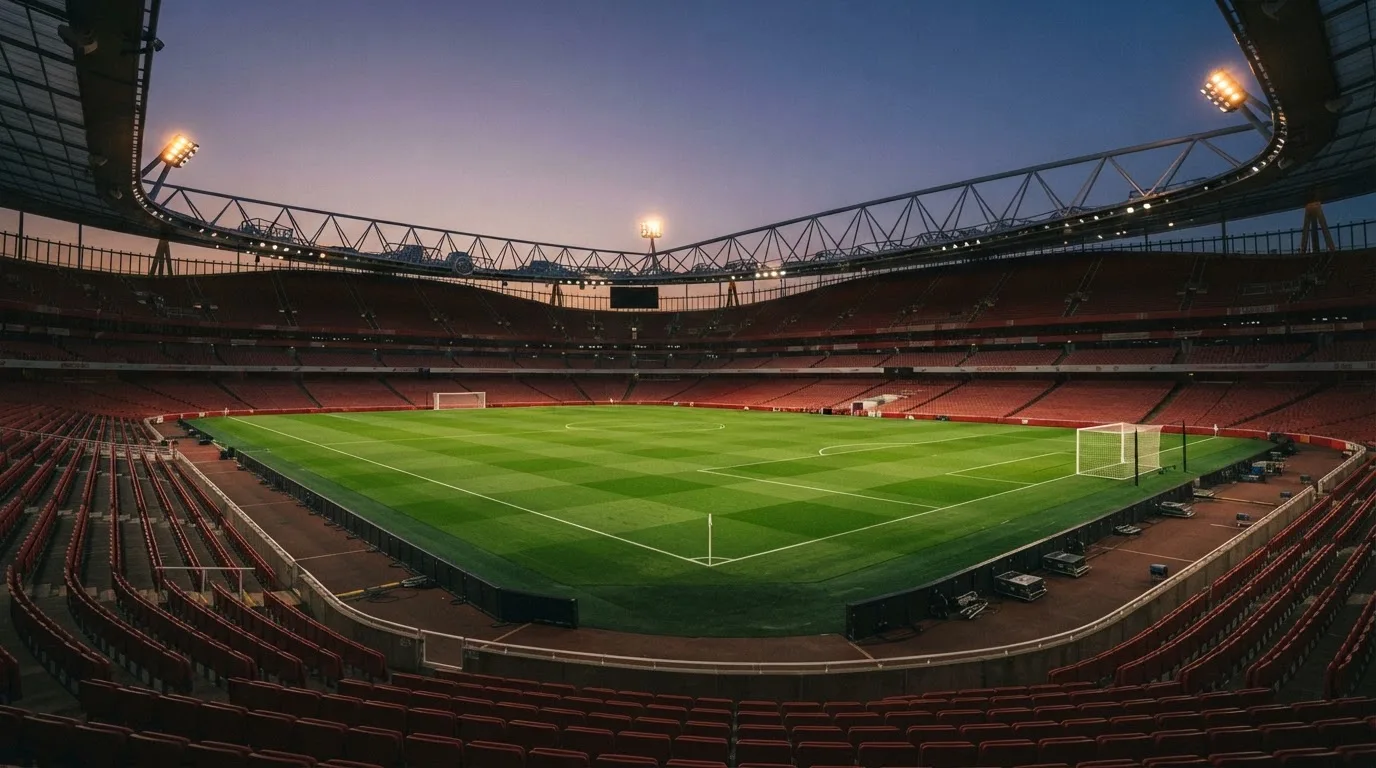
A “sign-up bonus” sits on top of that framework as a marketing offer rather than a regulated product. It is the deal an operator makes with a new customer at registration: place a first bet, get a free bet back; deposit a sum, get a matching bonus; bet on football, get free spins on a slot. The Commission does not write the offer; it writes the rules an offer must keep. Those rules are the Licence Conditions and Codes of Practice (LCCP), the CAP Code on advertising, and the social responsibility code. Within that frame, each operator writes its own terms, sets its own minimum odds, picks its own deadlines, and decides whether the stake of a free bet is paid back with a win.
For a customer the practical effect is that two operators advertising “£40 in free bets” can sit at very different real values. The headline number is the front of a small print sheet. Reading the sheet is the part of the job the marketing does not volunteer.
Where the offers sit under the law
A GB-licensed operator is the baseline. Every brand covered here holds a current remote general betting standard licence on the Commission’s public register, and every one of them is a member of GAMSTOP, the multi-operator online self-exclusion scheme. Northern Ireland sits outside the Gambling Act 2005 under older law, so a “GB licence” is a licence for England, Scotland and Wales — it does not regulate Northern Ireland, and a brand licensed in Belfast rather than London is not the same legal animal. Several large brands run on the same underlying licence: Coral and Ladbrokes share a parent, Paddy Power and Betfair share a parent, and they appear as one operator commercially even when they appear as two on the register. That clustering is normal and is not a defect.

Two rules came in on 19 January 2026 and now shape every sign-up promotion a licensed brand runs:
Wagering cap. The amount a customer has to bet to clear a bonus is capped at 10x the bonus amount. A £10 bonus at 50x wagering would have required £500 of qualifying bets; under the cap, no more than £100. The cap is on the wagering multiple, not on the size of the bonus, and it is silent on the money value of a bonus itself — a £500 free bet at 1x is allowed, a £10 free bet at 50x is not.
No mixed-product promotions. An offer that requires gambling on two or more product types — for example “bet £10 on football to get free spins on a slot” — is banned. Betting, casino, bingo and lottery are treated as separate product types, and a promotion that crosses them is no longer permitted. Whether the wagering cap applies to free bets with no wagering condition at all is not established, and operators run their free bets under their own terms.
A separate ban has been in place since April 2020: no credit card may be used for gambling in Great Britain, including credit-card-funded e-wallet deposits. Debit cards and bank-based payments are not covered. The ban is one reason several offers on this page state that the qualifying deposit must come from a debit card or an instant bank transfer.
Outside those lines, the law leaves the offer itself to the operator. Minimum odds, expiry, eligible markets, stake return, free-bet caps, payout methods — every one of these is in the operator’s own terms and is the part of the deal a customer should read first.
Staying in control while chasing an offer
A sign-up bonus is a marketing promotion; the responsible gambling tools are a regulatory requirement. The two are different parts of the same product, and the page treats them together.
GAMSTOP covers every GB-licensed online operator and is a mandatory licence condition since 31 March 2020. A self-exclusion period is six months, one year, five years, or five years with auto-renewal. After the minimum period the exclusion stays in place for a further seven years unless the customer asks GAMSTOP to remove it. The scheme covers online sites and apps; betting shops run on a separate service. Claiming a sign-up bonus while under a GAMSTOP exclusion is not an option: the operator checks the register at the point of sign-up.
A financial vulnerability check has applied since 30 August 2024, with a trigger that took effect on 28 February 2025: when a customer’s deposits minus withdrawals exceed £150 in a rolling 30 days, the operator runs a public-record check — for example bankruptcy or county court judgments. The check is not an income check and not a credit reference check. A separate, heavier regime of financial risk assessments has been announced, on a staged plan, with no start date as of writing. The customer-facing word for that heavier check is “affordability checks”; the legal name is financial risk assessment. Until the regime is in force, an operator’s own affordability procedures continue to apply.
Deposit limits are a customer-set tool the operator must offer under Remote Technical Standard 12. The first changes to those limits applied on 31 October 2025; a second phase has been postponed to 30 September 2026 and whether it is live is not established. There is no state-set deposit or loss ceiling in British betting law: limits are the customer’s choice, and the choice belongs to the customer, not the regulator.
Identity verification is part of the same protection frame. Since 7 May 2019 every customer is verified by name, address and date of birth before they can deposit or gamble — including with a free bet or bonus. No licensed site accepts anonymous play. The cost of that check is a small step at registration, and the benefit is that a licensed operator has a real customer identity on file when something goes wrong.
For anyone whose betting has stopped being fun, the routes to help are: GamCare, which runs the National Gambling Helpline; GambleAware, which funds treatment and research; NHS gambling clinics, for face-to-face support; and Gamblers Anonymous, the peer-support fellowship. A session of any one of these is more useful than any sign-up bonus a licensed operator is offering today.
What a sign-up bonus actually is
Four shapes dominate the UK market, and a careful reader needs to recognise each one before looking at a number.
Free bet. A token the operator credits after a qualifying first bet. The token is used as a stake; if the bet wins, the operator pays the winnings, not the stake. A £10 free bet at odds of 3.0 that wins pays £20 in profit, not £30 in return. This is the single most important number to internalise: the stake is usually not returned. The marketing word for the offer is “free bet”; the economic word for it is “non-returnable stake”. Some operators run a smaller number of free bets whose stake is returned, and the operator’s terms state which is which.
Matched deposit bonus. The operator adds a percentage of the customer’s deposit as a bonus, often 100%. The bonus is then subject to a wagering requirement — the customer has to bet a multiple of the bonus before withdrawing. From 19 January 2026 that multiple is capped at 10x for a UK-licensed operator. Matched deposit bonuses are rarer than free bets on the sports side and common on the casino side; a sports sign-up is far more often a free bet than a matched deposit.
Price boost / enhanced odds. The operator prices a specific outcome higher than the market consensus for new customers. The boost is paid as winnings, not as a separate free bet, and the original stake is returned with the win. Price boosts are limited in stake and in event, and they tend to be a marketing headline rather than a long-term offer.
Risk-free bet. A marketing label, not a regulated category. A “risk-free” bet from one operator is a free bet with a stake that is not returned; from another, it is a cash refund of the qualifying stake. The label is unreliable: read the terms, not the banner.
The Commission does not require operators to call an offer any one of these names. What the Commission requires is the wagering cap, the no-mixed-product rule, and the social responsibility code. Everything else is the operator’s wording.
Reading the small print: a worked example
Take the most common offer shape on this page: “Bet £10, get £30 in free bets.” The numbers look generous; the conditions are the part that decides the real value.
The customer deposits at least £5, places a first bet of at least £10 at minimum odds — often 1/1 (2.0 decimal) — and on settlement receives three £10 free bet tokens. The tokens expire seven days after issue. Each token is non-returnable: if the bet wins, the operator pays the profit rather than the full return, and a token that loses returns nothing. The real value of a non-returnable free bet is not the headline £30 but the expected payout across many such tokens at the markets a customer actually uses, which is the gloss this page’s calculation sets out below.
The wagering cap matters more for deposit bonuses. A £20 deposit matched at 100x — common on the casino side before January 2026 — would have required £2,000 of qualifying bets. Under the new cap a £20 deposit matched at 10x requires £200 of qualifying bets, the same £200 on which a customer has to clear the wagering before any winnings are withdrawable. The arithmetic the rest of this page works is for that second shape: how much betting the bonus actually takes, and at what average cost.
The £20 matched bonus, worked
The first welcome offer this page works in detail is a hypothetical £20 matched deposit bonus with a 6x wagering requirement, minimum odds of 1/2 (1.50 decimal), and 30 days to clear. The Commission’s 10x cap from 19 January 2026 is well above this multiple, so the offer is on the right side of the rule. The numbers below are the band this kind of offer lives in, not a single live promotion.
The bonus base is the bonus amount, £20, not the deposit plus bonus. The required turnover is the bonus base multiplied by the wagering multiple: £20 × 6 = £120 of qualifying bets within 30 days. At a stake of £5 per bet, that is 24 qualifying bets. Each bet must be placed at odds of 1.50 or higher, and only single bets count toward the wagering on most welcome offers; accumulators and system bets are usually excluded from clearing. The expected cost of clearing depends on the margin of the market the qualifying bets are placed on. A football match-result market with a 5% margin costs about £6 of the £120 in expected loss; a horse racing each-way market with a 12% margin costs about £14.
A live offer on the same shape might add a free bet on top. “Bet £10, get £20 in free bets” plus “100% deposit match up to £20 at 6x” is two promotions stacked, and the second is the one the wagering cap regulates. A reader should check whether the two offers are combinable, because most welcome packages are mutually exclusive and a customer who opts in to one cannot opt in to the other.
A deposit bonus at this size clears inside a fortnight of weekend football if the customer is betting anyway. A deposit bonus at the maximum the law now allows — £20 matched at 10x, minimum odds 1.5 — is the largest legal clearing burden a UK-licensed operator can place on a customer in 2026.
Ranking the field: how the comparison was built
The ranking below is a shortlist, not a recommendation. The first thing a ranking does is to commit to a comparison, and the comparison is built on a small set of measures that together tell a reader what each app is good for.
Licence. A current Gambling Commission remote general betting standard licence, on the public register, is the entry ticket. A brand without that licence is not on this page. A licence does not make one brand better than another, and several brands can sit under one licence.
Sign-up offer. The headline number, the qualifying bet, the minimum odds, the expiry, and whether the free bet stake is returned. The headline is not the value: a £40 free bet at 1/1 with a 7-day expiry is not the same proposition as a £20 free bet at evens with a 30-day expiry, and the comparison respects that.
Market depth. How many sports, how many in-play events, how many markets per event. A reader who bets only on Premier League football does not need 40 sports; a reader who bets on cycling and darts does. The depth a reader needs is the depth that matters.
Betting features. Bet Builder, Cash Out, Best Odds Guaranteed, live streaming, accumulator insurance. These are the features that change the shape of a bet rather than the price, and a feature that is missing on one app is the reason a reader keeps the next app open.
Payout speed and payment methods. The time from a withdrawal request to cleared funds, and the payment options the operator supports. A bookmaker that pays in twelve hours on Visa and 48 hours on Mastercard is not the same product for a customer whose card is a Mastercard as it is for one whose card is a Visa.
Promotional cadence. The offers after the welcome bonus — acca boosts, free-to-play games, price boosts, free bet clubs. The welcome is the door; the cadence is the room.
Each of the ten apps is described under these headings. The verdict under each block answers the question that block has set up: a brand may be the strongest on price, the strongest on payout speed, the strongest on a particular sport, or none of these and still belong on the list for a reader who values what it does offer.
The ten apps, side by side
| Brand | Gambling Commission remote licence | Licence holder | What the operator’s own terms say on the welcome offer |
|---|---|---|---|
| Betway | 39372 | Betway Limited | £40 in free bet tokens (4 × £10) credited on settlement of a first bet of at least £10 at minimum odds of 2.0, 7-day expiry, debit card deposits only. |
| Fitzdares | 400 | Fitzdares Limited | Apple Pay, Mastercard and Visa accepted; Visa withdrawals usually same-day, Mastercard withdrawals up to 48 hours. |
| Copybet | 53774 | Copybet UK Limited | Acca Booster pays up to 100% cash bonus on accas of at least 3 selections; up to 15% Daily Profit Boost. |
| BetGoodwin | 2927 | Goodwin Racing Limited | “Bet £10 & Get £15 in Free Bets” — £5 sports bet, £5 acca, £5 Sub-Cover bet. |
| DragonBet | 64908 | DragonBet Ltd | Price boosts on horse racing, football and rugby; brand will try to match or beat prices seen elsewhere. |
| NetBet | 39170 | Netbet Enterprises Limited | Daily Boosts, Profit Boosts and free bet offers; Bet Builder with instant dynamic odds; sports stats for major leagues. |
| Bet Ahoy | 100094 | Bet Ahoy Ltd | “Bet £10 & Get £10 in Free Bets” — £5 sports bet and £5 acca. |
| Geoff Banks | 54095 | GB Sports Advisors Limited | Live in-play prices and ante-post prices on future events. |
| Matchbook | 39504 | Triplebet Limited | 110 days of commission-free betting from registration for customers who make a deposit; standard commission applies afterwards. |
| Betboro | 44181 | Webmedia Development N.V. | 100% matched free bet of up to £25 on the first qualifying wager; debit card deposit of at least £10; first bet of £5 to £25 with at least 3 selections at 3/5 (1.60) or higher. |
The table is a map of the field, not a verdict on it. The next section is the verdict.
The ten apps, one by one
Betway
Betway’s sports welcome offer for new UK and Ireland customers is £40 in free bet tokens, issued as four £10 free bets on settlement of a first bet of at least £10 at minimum odds of 2.0. The free bets expire seven days after credit, and the qualifying deposit must come from a debit card — a credit card is not accepted for gambling in Great Britain, so a customer trying to use one will fail the deposit step. Betway runs an in-play product, a Bet Builder, and a football acca boost, and the brand is established enough that finding a market off-peak is rarely a problem.
For a customer whose first bet is a £10 single at 2.0, the headline £40 is four free bets at the same non-returnable shape. The expected value depends on the markets chosen; the four-week expiry is tight but workable for a regular bettor. The verdict is solid middle-of-the-market: the offer is not the largest in pounds, but the four-token structure spreads the free bet across more events than a single £40 token would, and that is the kind of tiered structure that suits a player who diversifies their betting across multiple sports.
Fitzdares
Fitzdares is the payment-method bookie of the list in the sense that the operator’s own terms state its payment options by name. Apple Pay, Mastercard and Visa are accepted, with Visa withdrawals usually same-day and Mastercard withdrawals up to 48 hours. That is a payment story first and a sports story second, and the right reader is the one whose card is the card Fitzdares pays fastest on.
The brand sits in the high-end of the British market on positioning, with a smaller sportsbook than the household-name rivals. The welcome offer is the part of the product a careful reader should check before signing up, because the headline number is not the centre of what Fitzdares sells. The verdict is that Fitzdares suits a customer who values payout speed and brand reputation over market depth, and who will not notice the absence of forty niche sports.
Copybet
Copybet’s edge is the tipster-platform side of the brand, and the betting product reflects that. The Acca Booster pays up to 100% cash bonus on accumulators of at least three selections, and the operator runs a Daily Profit Boost of up to 15%. Those are recurring offers rather than a one-shot welcome, and the recurring shape is what a regular bettor collects over a season.
The welcome itself is smaller than the headline offers from the bigger brands, and a customer who bets once a month will get more from Coral or Sky Bet than from Copybet. A customer who bets weekly and likes building accas will collect more from Copybet’s boosts across a season than from a single larger welcome. The verdict is a bookmaker for the customer who treats betting as a long-running activity rather than a one-off sign-up.
BetGoodwin
BetGoodwin is a smaller British brand whose welcome offer is built around the £5 acca — a token a customer puts on a short-price accumulator. The structure is “Bet £10, get £15 in Free Bets” made up of a £5 sports bet, a £5 acca, and a £5 Sub-Cover bet, where the Sub-Cover bet refunds a stake if a single selection lets down an otherwise winning acca. That last feature is a small but real piece of insurance for a customer who builds accas on the football.
The verdict is that BetGoodwin is the right shape for a customer whose betting is football-led and acca-led, and who values the structure of the welcome over its headline. A customer who bets on horses and singles will not use the Sub-Cover and will get less from this offer than from a more general welcome.
DragonBet
DragonBet is a Welsh-facing brand with a strong horse racing focus. The brand advertises price boosts on horse racing, football and rugby, and states it will try to match or beat prices seen on other apps and websites. The Best Odds Guaranteed equivalent for a customer who bets on racing is the part of the offer that pays off across a meeting rather than on a single bet.
The welcome is in the smaller headline bracket; the long-run value is in the racing prices and the boost. A customer whose betting is racing-led will be at home; a customer whose betting is football-led will find a more developed product on a larger app. The verdict is a regional specialist that competes on price rather than on breadth, and this price-first focus is a feature a punter should confirm against their own betting preferences.
NetBet
NetBet is a long-running European brand whose UK product is broad: Daily Boosts, Profit Boosts and free bet offers, a Bet Builder with instant dynamic odds, and sports stats for major leagues. The breadth is the centre of what the brand sells, and a customer who likes having everything in one app will find more here than on a smaller brand.
The welcome offer is the part of the product that needs a check, because the headline shape changes by season and the qualifying terms vary. The verdict is that NetBet is the right shape for a customer who values a single app for many sports, and who will use the Bet Builder and the stats as much as the welcome bonus.
Bet Ahoy
Bet Ahoy is the smallest of the welcome offers on this list: “Bet £10, get £10 in free bets” split into a £5 sports bet and a £5 acca. The shape is honest about the value, and a customer who reads the small print will not be surprised by what arrives. The brand is new enough that the rest of the product — markets, payout speed, payment methods — is the part of the comparison that matters more than the welcome.
The verdict is that Bet Ahoy is the right shape for a customer who wants a low-friction welcome from a small British brand, and who is willing to check the rest of the product before committing. The £5 acca is the part of the offer a customer should plan around, because the remaining balance follows the standard non-returnable stake structure seen throughout the wider industry.
Geoff Banks
Geoff Banks is the most narrowly positioned brand on the list. The app is published by GB Sports Advisors Limited, and the offer is built around ante-post prices on future events and live in-play prices during them. The brand is for the customer who bets on horse racing, golf, and the larger football and rugby fixtures, and the welcome is the smaller of the offers a racing-led customer will see across the market.
The verdict is that Geoff Banks is the right shape for a customer who bets ante-post and on the in-play markets of major events, and who values that positioning over a large welcome bonus. The market depth on a Tuesday afternoon is a distinctive aspect of the product that rewards the dedicated ante-post bettor.
Matchbook
Matchbook is the betting exchange on the list. The exchange model is different from a fixed-odds bookmaker’s: a customer backs an outcome at one price and lays it at another, and the operator takes a commission on net winnings rather than a margin on every price. The new-customer offer is 110 days of commission-free betting from registration for customers who make a deposit, with standard commission applying afterwards.
The 110-day offer is unusually long, and the value depends on how much the customer bets in those 110 days. A customer who is already used to an exchange will collect more from this offer than from a free bet at a fixed-odds brand; a customer who is new to exchanges will need to learn the model before the offer pays off. The verdict is a serious product for a customer who understands the exchange model, and a learning curve for a customer who does not.
Betboro
Betboro is a Curaçao-rooted brand whose UK-licensed product runs under Webmedia Development N.V. The welcome offer is a 100% matched free bet of up to £25 on the first qualifying wager, requiring a debit card deposit of at least £10 and a first bet of £5 to £25 with at least three selections at 3/5 (1.60) or higher. The three-selection minimum and the 1.60 floor make this a welcome for a customer who builds accas, not singles.
The verdict is that Betboro is the right shape for a customer who already builds three-fold accas and will do so as the qualifying bet, and the value of the offer turns on the size of the first acca. A customer who bets singles will not use the qualifying bet as the offer intends and will get less from it than the headline suggests.
Where the offers sit against the wagering cap
A deposit bonus at 10x wagering, minimum odds 1.5, with a 30-day expiry, is the largest legal clearing burden a UK-licensed operator can place on a customer in 2026. The required turnover is the bonus amount multiplied by the wagering multiple; the number of qualifying bets is that turnover divided by the stake per bet; the expected cost is the turnover multiplied by the margin of the market the qualifying bets are placed on. The full arithmetic the page works is the bonus-turnover calculation, and the result is a band rather than a single figure because the margin the customer clears on is the customer’s choice.
For a £20 deposit bonus at 6x wagering, minimum odds 1.5, 30 days, the turnover is £120 and the number of qualifying bets at a £5 stake is 24. The expected cost of clearing on a 5% margin football market is about £6; on a 12% margin horse racing market it is about £14. The £6 to £14 band is the cost of the bonus itself: a customer who clears the offer and ends with the bonus amount has paid that band out of the value of the bets along the way.
A £20 deposit bonus at 10x wagering — the maximum the law now allows — is £200 of turnover, 40 bets at £5, with the same expected-cost band widened by 67%. A welcome offer that clears on football alone at the new cap is a part-time job for a month. An offer that clears on a mix of sports at a £2.50 stake is 80 bets and a longer calendar, and the cost falls into the same band scaled by the lower per-bet stake.
The point of the band is that the headline number is the start of the calculation, not the end. A £40 free bet is not £40 in the customer’s pocket. A £20 deposit bonus at 6x is not “free £20”. The page’s job is to make the band visible, and the band’s shape is what the bonus is worth.
Payouts, payments, and the rest of the product
The welcome offer is the door; the rest of the product is the room. Three areas decide how the room feels in practice.
Payments. A licensed operator accepts debit cards and bank-based payments, with credit cards banned for gambling in Great Britain since April 2020. E-wallets are accepted by some brands and not by others, and the welcome offer sometimes restricts the deposit method to a debit card or an instant bank transfer — Unibet and Betway are two that state this in their terms. Apple Pay is accepted by several brands including Fitzdares; the rest of the list varies. Cryptocurrency is not a settled feature of the licensed UK market, and a reader who wants to deposit in coin should expect the operator to convert at the deposit step rather than carry the coin as a balance.
Payout speed. The time from a withdrawal request to cleared funds varies by payment method more than by brand. Fitzdares states Visa withdrawals are usually same-day and Mastercard withdrawals up to 48 hours; other brands sit in similar ranges with their own variation. A withdrawal that arrives in twelve hours on the same card is a real feature; a withdrawal that takes three working days on bank transfer is a different product. The market is fast on the upper end and slow on the lower end, and the difference is the part of the comparison a reader should test before signing up.
Market depth and in-play. A bookmaker that lists 40 sports and 200 in-play events at any given moment is a different product from one that lists 25 sports and 60 events. The customer who bets only on Premier League football will not notice the difference; the customer who bets on cycling, darts, and Esports will. The licensed market as a whole has converged on broad coverage, and the brands that stand out are the ones that stand out on a specific sport — DragonBet on racing, Geoff Banks on ante-post, Copybet on tipster-led accas.
Picking the right app for a specific reader
The right app depends on the reader, and the comparison is honest only when the picking is. A few reader shapes the page can name:
The weekend football acca bettor. The bookmakers that match this shape are NetBet, Copybet, BetGoodwin, and Betboro. The Bet Builder, the acca boost, and the three-selection minimum on the welcome are the parts of the offer that pay off. A customer who bets five-fold accas every Saturday will collect more from the recurring acca boost than from the welcome of a brand that pays a larger headline.
The horse racing bettor. DragonBet and Geoff Banks are the two racing-led brands on the list. The Best Odds Guaranteed equivalent, the ante-post price, and the in-play product are the parts of the offer that matter. A customer who bets only on racing will be at home on either, and a careful reader will check the price comparison across both before signing up.
The exchange customer. Matchbook is the only exchange on the list. The 110-day commission-free window is the centre of the offer, and the value depends on how much the customer bets in those 110 days. A customer who already bets on Betfair or Smarkets will collect the offer as a switching bonus; a customer new to exchanges will need to learn the model first.
The small-budget customer. Bet Ahoy, BetGoodwin, and Betboro are the smaller welcome offers in pounds, with qualifying bets from £5 to £10. A customer with a £20 budget for the welcome month will not stretch a larger welcome even if the headline is twice the size. The right brand for a small budget is the brand whose welcome is sized for that budget.
The every-sport customer. Betway, NetBet, and Coral are the brands whose product depth covers the widest range of sports, with the established bookmakers at the centre. A customer who wants a single app for football, tennis, golf, darts, and the rest will find the most developed product here. The welcome is the centre of the comparison for this reader; the rest of the product is the part that keeps them.
The terms that cost more than they look
Three small-print items bite harder than the welcome number itself.
The minimum odds. A free bet that requires a 2.0 minimum price excludes the markets a customer would have used at 1.4. The two combined shape a welcome: a £10 free bet that can only go on a 2.0 selection is a bet on a longer-priced event, and the market on which that bet lands is the market on which the offer pays off. A reader who bets on heavy favourites will not use a free bet that demands a 2.0 floor.
The expiry. A free bet that expires in seven days is a bet the customer has to place in a calendar week. The same free bet with a 30-day expiry is a different product. The reader who bets once a fortnight will leave a 7-day free bet to die; the reader who bets every Saturday will not.
The stake return. A free bet whose stake is not paid back with a win is the most common shape; a free bet whose stake is paid back is a smaller offer by headline but a more valuable one in pounds. A £10 free bet at odds of 3.0 with the stake returned pays £30 in total return (stake plus profit). The same free bet with stake not returned pays £20 in profit and nothing more. The difference is the stake itself, and the operator’s terms state which is which in a single line.
The other small-print item is the wagering requirement on a deposit bonus, and the 10x cap from January 2026 is the upper bound a UK-licensed operator can apply. A customer who sees a deposit bonus at 20x in 2026 is looking at an unlicensed site; a customer who sees a deposit bonus at 10x is at the top of the legal range.
How the offers interact with the rest of the betting year
A welcome bonus is the first of the offers a customer will see, and the cadence of offers after the welcome is the part of the product that matters for the second year. The brands on this list vary widely on that cadence.
Recurring acca boost. Copybet’s Acca Booster pays up to 100% cash on accas of three or more legs; Spreadex’s Acca Boost pays a cash boost from 5% to 100% on football accas of three or more. Both are recurring. A customer who builds accas every week will collect from one of these as a matter of course, and the value across a season is larger than a single welcome.
Best Odds Guaranteed. Several British brands offer Best Odds Guaranteed on horse racing, paying out at the higher of the price taken and the starting price. The brands that state it on the welcome page make it visible; the brands that run it as a baseline feature do not. A racing-led customer will notice the difference.
Free-to-play games. Several brands run free-to-play predictor games with cash prizes or free bet rewards for correct forecasts. The value is small per week and adds up across a season, and the games are the part of the offer a customer can engage with without betting more.
Loyalty and VIP. The big British bookmakers run loyalty schemes and VIP programmes with acca insurance, free bet clubs, and personal account management. The terms are heavier than the welcome, and a customer who bets enough to qualify for them is past the point at which the welcome bonus is the centre of the comparison.
What a careful reader checks before claiming
A six-step check is the part of the job the marketing does not volunteer.
The licence. Search the Gambling Commission’s public register for the brand name, the trading name, the domain, and the licence account number. A brand on the register is a real licensee; a brand not on the register is not. The register is the whole test.
The wagering requirement. On a deposit bonus, check the multiple. Over 10x in 2026 on a UK-licensed site is a misprint, a leftover, or a sign the site is not what it claims. The same multiple on a free bet is irrelevant; free bets at the brands on this list do not have a wagering requirement.
The minimum odds. A welcome offer that requires a 1/1 (2.0) minimum on the qualifying bet is a different offer from one that requires 1/2 (1.5). The first excludes the short-priced markets; the second allows them. The minimum odds decide which sports the offer fits.
The expiry. Seven days on a free bet is tight; 30 days is workable. A reader who bets once a fortnight should look for the longer expiry or accept that a 7-day free bet will be lost.
The stake return. A free bet whose stake is paid back is more valuable than one whose stake is not. The operator’s terms state which is which; the headline does not.
The deposit method. Several welcome offers restrict the qualifying deposit to a debit card or instant bank transfer. A customer whose normal deposit is a bank transfer should check the operator’s accepted list before counting on the welcome.
The calculation, in plain prose
A £20 deposit bonus at 6x wagering, minimum odds 1.5, 30 days to clear, is the worked example. The bonus base is £20. The required turnover is £20 × 6 = £120 of qualifying bets. At a £5 stake per bet that is 24 bets, all at odds of 1.5 or higher, all on single markets (accumulators and system bets usually do not count). The expected cost of clearing is the turnover multiplied by the margin of the market the bets are placed on: £120 × 5% = £6 on a football match-result market; £120 × 12% = £14 on a horse racing each-way market. A customer who clears on football pays about £6 of the £20 bonus in expected loss; a customer who clears on racing pays about £14.
The 10x cap from 19 January 2026 widens the band. A £20 deposit bonus at 10x is £200 of turnover, 40 bets at £5, with the same 5% to 12% margin band giving an expected cost of £10 to £24. The cap is the largest legal clearing burden a UK-licensed operator can apply in 2026. A welcome offer that approaches it is a serious commitment of time and stake, and the customer’s margin choice is the part of the offer that decides the cost.
The expected cost is an estimate, not a guarantee. A bettor who gets lucky on the qualifying bets will clear at lower cost; a bettor who gets unlucky will clear at higher cost. The band is the average across many bettors, and the offer is worth its headline number only to a customer whose clearing strategy matches the assumptions.
Frequently asked questions
How do I sign up for a betting site in the UK?
Choose a brand on the Gambling Commission’s public register, download the app or open the site, and tap the join button. The operator will ask for name, address, date of birth, and contact details, and will verify those against public records before letting you deposit. The whole flow is usually under five minutes, and you can deposit by debit card or instant bank transfer; credit cards are banned for gambling in Great Britain. The verification is the regulatory step, not a marketing choice, and every GB-licensed operator runs the same flow.
What is the maximum wagering requirement on a betting bonus?
Ten times the bonus amount. From 19 January 2026 the Gambling Commission caps the wagering requirement on bonuses at 10x, and any UK-licensed operator offering a deposit bonus at a higher multiple is in breach. The cap is on the wagering multiple, not on the size of the bonus, and it does not cap the money value of a free bet with no wagering condition. A £10 bonus at 50x would have required £500 of qualifying bets; under the cap, no more than £100.
What do minimum odds and the wagering requirement mean in a sign-up offer?
Minimum odds are the floor below which a qualifying bet does not count toward the offer. A 1/1 (2.0) minimum excludes every bet priced below 2.0, so a customer whose normal bet is at 1.4 cannot use that bet to qualify. The wagering requirement is the multiple of the bonus a customer has to bet before the bonus or its winnings can be withdrawn. A £20 bonus at 6x wagering is £120 of qualifying bets before withdrawal is permitted; the same bonus at 10x is £200.
Why is the stake of a free bet not paid back with the winnings?
A free bet is a token the operator credits as the stake, not a cash balance. If the bet wins, the operator pays the winnings calculated on the odds; the token itself is the stake and is not returned alongside. A £10 free bet at odds of 3.0 pays £20 in profit if it wins. Some operators run smaller numbers of free bets whose stake is paid back, and the operator’s terms state which is which. The marketing label “free bet” is consistent across both shapes; the small print is not.
Can a sport bet be tied to a casino bonus under the Commission’s rules?
No. From 19 January 2026 the Commission bans mixed-product promotions, which are offers that require gambling on two or more product types. Betting, casino, bingo, and lottery are separate product types, and an offer like “bet £10 on football to get free spins on a slot” is no longer permitted at a UK-licensed operator. A welcome bonus that combines the two products is either pre-cap marketing or an unlicensed promotion, and a careful reader should check the operator’s licence before claiming.
How can I check that a bookmaker holds a Gambling Commission licence?
Use the Commission’s public register. The register is searchable by business name, trading name, domain, and licence account number, and a current entry confirms the licence, the licence holder, the licence categories, and the trading names the licence covers. The register is the whole test: a brand on it is a real licensee, a brand not on it is not. Licensed operators use .com as well as .co.uk, so the domain itself proves nothing; the register is the proof.
Payments & apps – Fast Payout
Content created by the «Fast Payout» team
